Water Extraction in Georgia
Standing water is only part of the loss. Extraction removes accessible water; moisture assessment and controlled drying address what remains in materials.
Independent referral service. We may receive compensation for qualified referrals. Availability and provider charges vary.
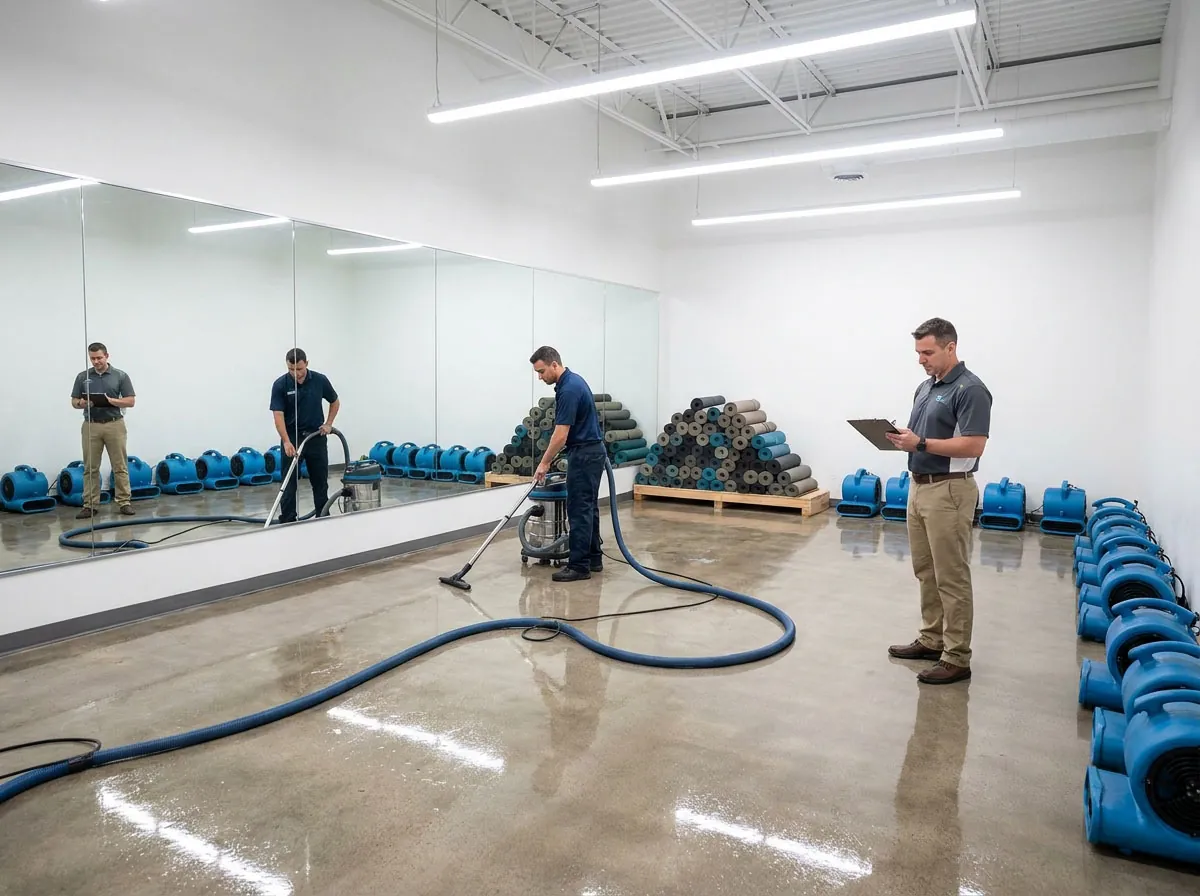
Removing the Water Is the Beginning, Not the Finish.
A kitchen leak can produce three separate scopes: plumbing repair at the source, extraction and drying around cabinets, and selected replacement of damaged flooring or wallboard. Measure the affected floor area separately from the replacement wall surface; they are different quantities.
Follow the Water Beyond the Puddle
Water can travel beneath a floating floor, through a cabinet toe kick or into the room below. The visible wet area is a starting observation, not the final affected quantity. Ask the assessor to explain how adjoining rooms, wall bases and floor layers were checked. A moisture map should identify locations and materials rather than give one reading for the whole building.
Separate Extraction from Drying
An extraction crew may remove accessible standing water while moisture remains in carpet backing, padding, wood or cavities. Ask whether the proposal is extraction only or includes drying equipment and monitoring. The distinction matters when comparing an hourly removal charge with a combined square-foot cleanup allowance. Do not add the site’s combined extraction-and-drying budget to another full drying allowance.
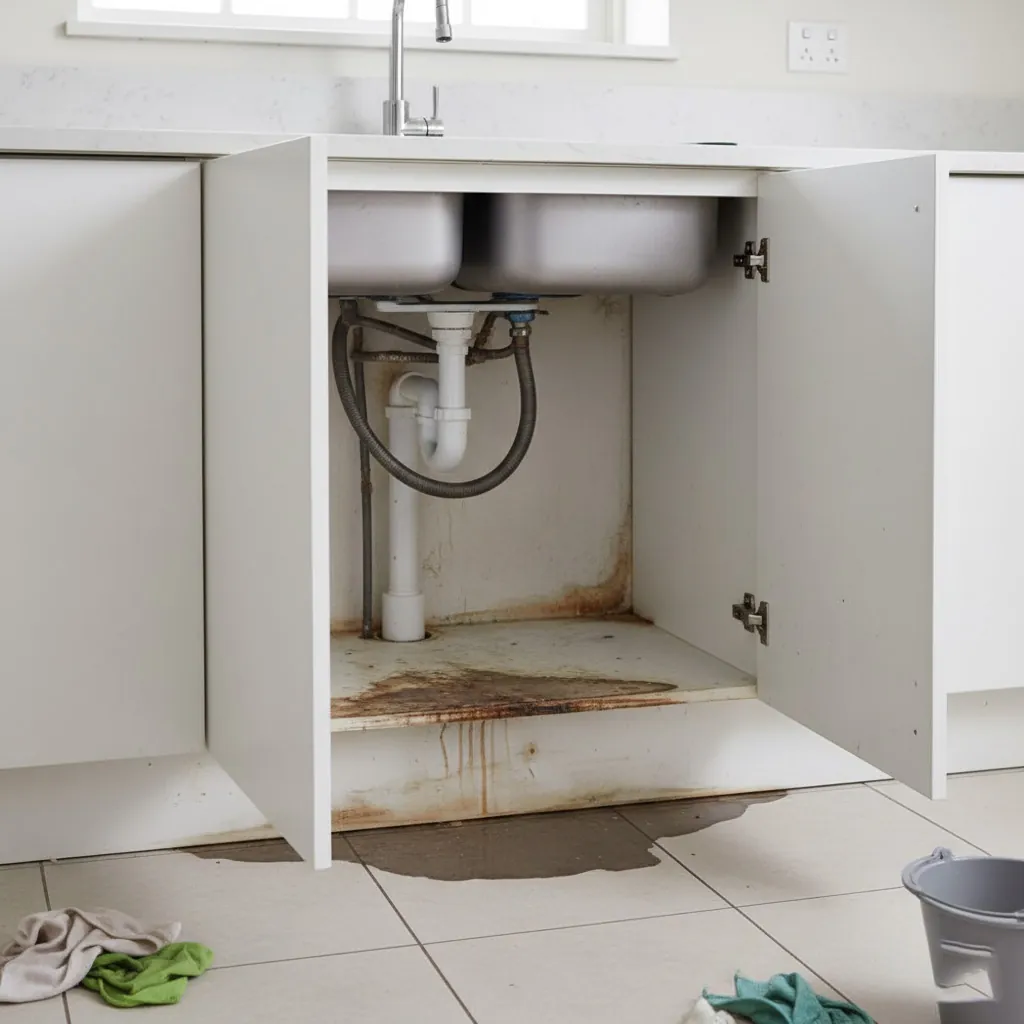
Discuss Materials Before Disposal
Tell the provider which floors, cabinets and belongings were touched, when the water was noticed and whether the source is still active. Material decisions depend on the source, exposure and actual condition. Ask which items may be cleaned and dried, which need removal, and how those decisions will be documented. Photograph affected belongings safely before disposal and follow insurer instructions where applicable.
Know What the Handoff Includes
Before extraction ends, establish who handles the remaining drying, who repairs the source and who authorizes reconstruction. Ask for an affected-area sketch, equipment list and the next assessment date. A dry-looking floor is not a substitute for material readings. If hidden damage appears later, the proposal should say how additional work is approved.
Keep Separate Work Visible
Repairing the leak, replacing finishes and restoring contents may require separate scopes.
Budget by the Actual Work.
The combined cleanup-and-drying allowance and finish-material rates answer different questions. Minimum charges, source repairs, access, disposal and specialist work require a written provider scope.
| Scope | Planning range | What to confirm |
|---|---|---|
| Water extraction + drying | $4–$12 / affected sq ft | Combined allowance. Do not add another drying charge. |
| Carpet replacement | $2–$8 / sq ft | Labor + material benchmark; verify removal, disposal and extras. |
| Hardwood replacement | $7–$25 / sq ft | Replacement, not refinishing; subfloor priced separately. |
| Drywall installation | $1.50–$3.50 / surface sq ft | Labor + material allowance; confirm demolition, finish and paint. |
| Plaster work | $2–$10 / surface sq ft | Repair scope varies; identify the existing wall construction. |
Source: HomeGuide water-damage cost guide. These are national reference ranges, not Georgia contractor quotes. Taxes, permits, source repair, specialist work and hidden damage are not assumed included. No local price multiplier is applied.
Questions, Answered
Does water extraction include structural drying?
Not always. An extraction-only proposal may cover standing-water removal without equipment rental, monitoring or drying inside assemblies. Ask for those inclusions in writing before comparing prices.
Can water remain under a floor after extraction?
Yes. Accessible surface water can be removed while moisture remains in floor layers, subfloor or adjoining walls. Ask the assessing provider how these materials were checked and what readings support the drying plan.
Should I choose a clean-water category because the water is clear?
No. Appearance alone does not establish contamination. Describe the observed source and timing, keep unknown information unknown, and ask the provider to assess the actual conditions.
Who performs water extraction after a referral?
An independent provider, if one accepts the job. Water Damage Georgia supplies planning resources and a referral line; it does not perform, supervise or guarantee restoration.
What should I have ready for a water extraction call?
Have the property ZIP, the observed source, affected rooms and known access or safety concerns ready. State what is unknown. Ask about provider identity, scope, fees and availability before authorizing an appointment.
Talk Through Your Next Step
Have your ZIP, water source and affected rooms ready. Ask about service availability, the provider’s identity and any charges.
Independent referrals; providers set availability, scope and fees.
Published by Bob Carlton · Water Damage Georgia · Content reviewed September 2026. Educational information; no professional certification or insurer review is claimed.