Flood Cleanup in Georgia
Outside floodwater brings source and contamination questions that an ordinary indoor leak does not answer. Start with safe access, then separate cleanup from reconstruction and future flood prevention.
Independent referral service. We may receive compensation for qualified referrals. Availability and provider charges vary.
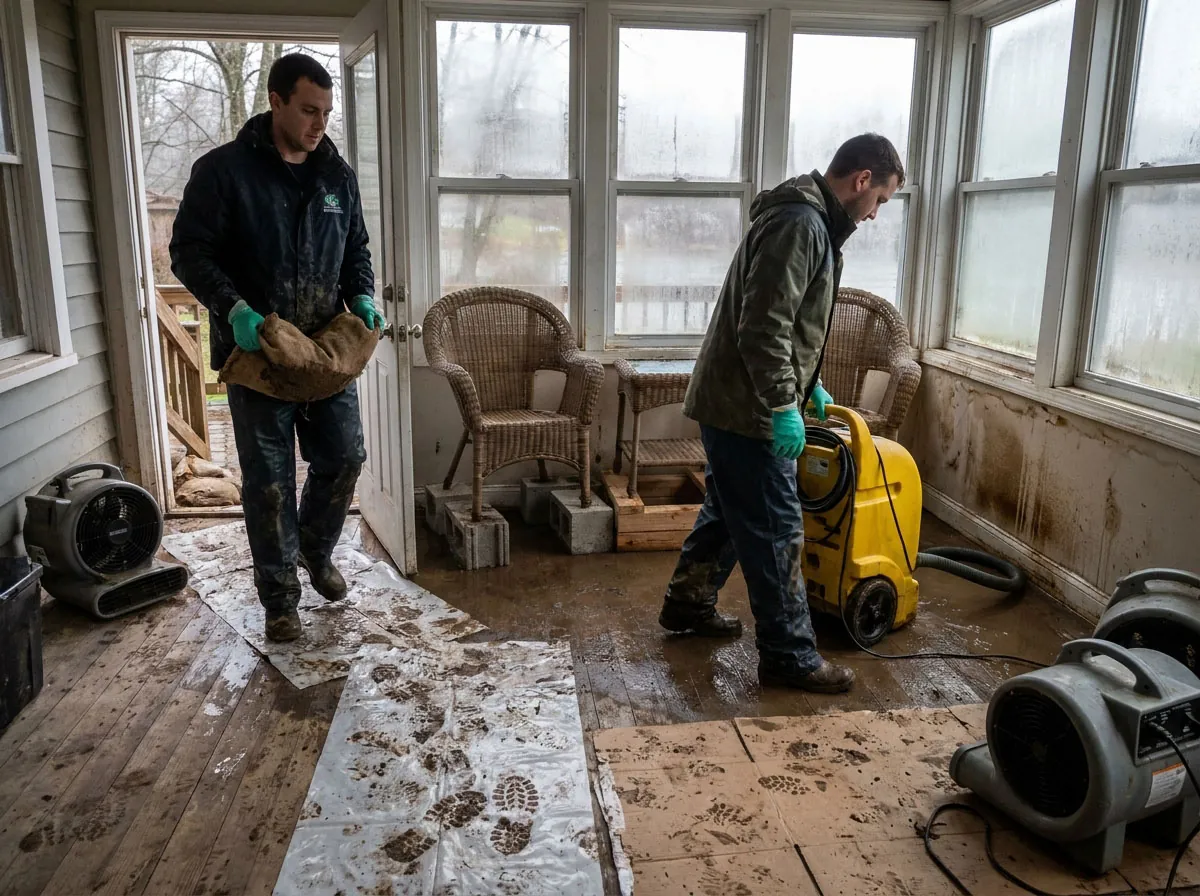
A Flood-cleanup Plan Needs to Account for the Source and the Materials.
If outside water wets a ground-floor room, the cleanup area, removed carpet area and replacement wall surface may all differ. The general budget does not include grading, new drains, roof repairs or flood-prevention systems. Obtain those scopes independently instead of adding an unexplained contingency multiplier.
Start with Permission to Return
A restoration appointment does not override an evacuation order, road closure or unsafe-building restriction. Follow official re-entry instructions. Tell the provider about inaccessible roads, standing water, electrical concerns or structural movement before arranging access. Do not enter a flooded building to photograph damage or collect dimensions for a calculator.
Describe the Entry Route Without Diagnosing It
Record whether water was observed entering a doorway, rising through a floor opening, leaking from the roof or backing up from a drain. These observations help distinguish tasks, but they do not settle insurance treatment or responsibility. If more than one route was visible, document each. A drainage contractor, utility or roofer may need a separate source-correction scope.
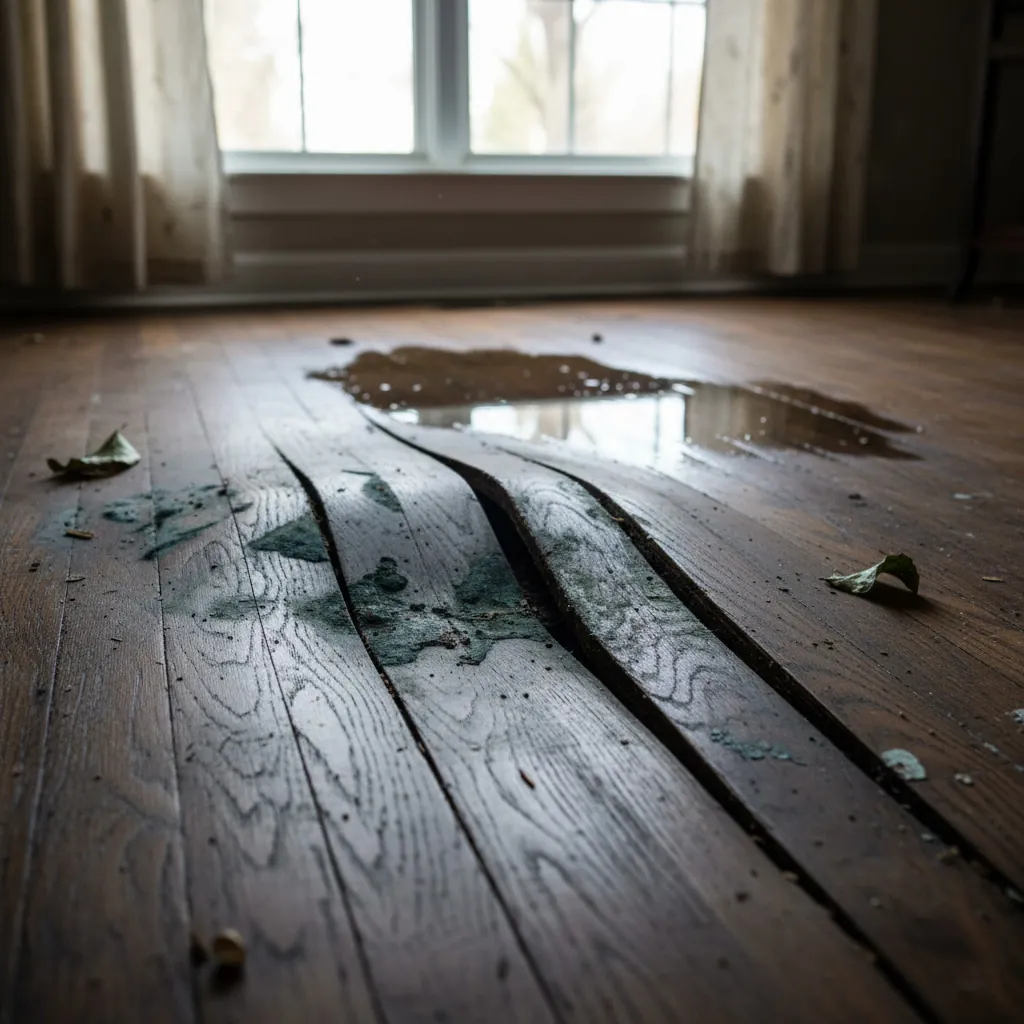
Plan Removal and Contents Handling Together
Outside floodwater can leave contamination and debris as well as moisture. Ask how affected porous materials, stored items and waste will be assessed and handled. Keep photographs and an item inventory from a safe position; avoid handling contaminated objects for documentation. The provider should explain what can remain, what needs removal and how the work area is separated from occupied spaces.
Rebuild After the Assessment, Not by the Calendar
Reconstruction should follow appropriate evaluation of remaining materials and completion of the agreed cleanup and drying work. Ask how inaccessible floor and wall assemblies are checked before closing them. Keep source correction, reconstruction and future drainage improvements itemized so that one broad “flood repair” total does not conceal exclusions.
Keep Separate Work Visible
Drainage redesign, waterproofing and flood insurance decisions are separate from cleanup.
Budget by the Actual Work.
The combined cleanup-and-drying allowance and finish-material rates answer different questions. Minimum charges, source repairs, access, disposal and specialist work require a written provider scope.
| Scope | Planning range | What to confirm |
|---|---|---|
| Water extraction + drying | $4–$12 / affected sq ft | Combined allowance. Do not add another drying charge. |
| Carpet replacement | $2–$8 / sq ft | Labor + material benchmark; verify removal, disposal and extras. |
| Hardwood replacement | $7–$25 / sq ft | Replacement, not refinishing; subfloor priced separately. |
| Drywall installation | $1.50–$3.50 / surface sq ft | Labor + material allowance; confirm demolition, finish and paint. |
| Plaster work | $2–$10 / surface sq ft | Repair scope varies; identify the existing wall construction. |
Source: HomeGuide water-damage cost guide. These are national reference ranges, not Georgia contractor quotes. Taxes, permits, source repair, specialist work and hidden damage are not assumed included. No local price multiplier is applied.
Questions, Answered
Is rain-related damage always the same as flood damage?
No. Roof leakage, surface runoff and rising water can have different causes and insurance treatment. Record what you observed without making a coverage determination; ask the provider and insurer to assess the actual source.
Does flood cleanup prevent the next flood?
No. Removing water, cleaning and drying address the current loss. Grading, drainage changes, waterproofing and other prevention work require a separate assessment and written scope.
Can I use a city weather alert as proof that my property flooded?
A regional alert provides context, not evidence of the water source at a particular building. Keep property-specific observations, photographs and assessment records alongside the official information.
Who performs flood cleanup after a referral?
An independent provider, if one accepts the job. Water Damage Georgia supplies planning resources and a referral line; it does not perform, supervise or guarantee restoration.
What should I have ready for a flood cleanup call?
Have the property ZIP, the observed source, affected rooms and known access or safety concerns ready. State what is unknown. Ask about provider identity, scope, fees and availability before authorizing an appointment.
Talk Through Your Next Step
Have your ZIP, water source and affected rooms ready. Ask about service availability, the provider’s identity and any charges.
Independent referrals; providers set availability, scope and fees.
Published by Bob Carlton · Water Damage Georgia · Content reviewed September 2026. Educational information; no professional certification or insurer review is claimed.