Basement Water Removal in Georgia
A flooded basement needs a safe-entry assessment before anyone treats it as a pumping job. Depth, outside water pressure, electricity and the type of water all affect the plan.
Independent referral service. We may receive compensation for qualified referrals. Availability and provider charges vary.
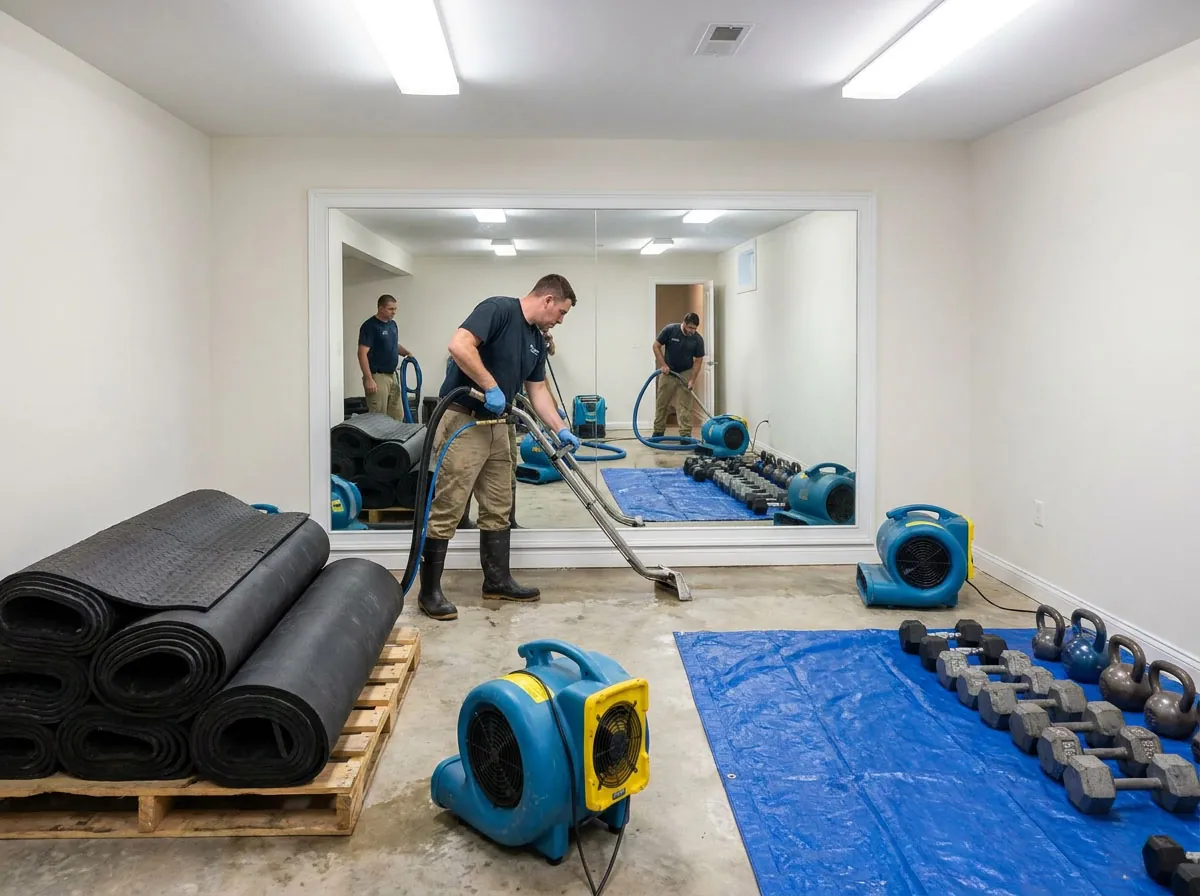
Finished Walls, Stored Contents and Outside Pressure Change the Discussion.
For a finished basement, enter only the wet floor area in the combined cleanup allowance. Add replacement carpet and actual damaged wall surface if selected. Plumbing repair, storage, disposal and any foundation or drainage work remain separate scope items; the calculator does not determine which are necessary.
Treat Safe Entry As a Separate Decision
Standing water can conceal electrical and structural hazards. Do not walk through it to reach a breaker, appliance or sump pump. Tell the assessor about water depth already observed from safety, outside water conditions and any visible wall movement. A gallons calculation cannot choose a pumping rate or determine whether a foundation can tolerate rapid removal.
Describe a Finished Basement by Assembly
A finished basement may contain carpet over concrete, framed walls with insulation, wood trim, built-in cabinets and stored contents. An unfinished basement has a different material scope even at the same floor area. Ask how wall cavities and materials behind shelving will be checked. Floor area should not automatically become the quantity of wallboard or insulation to replace.
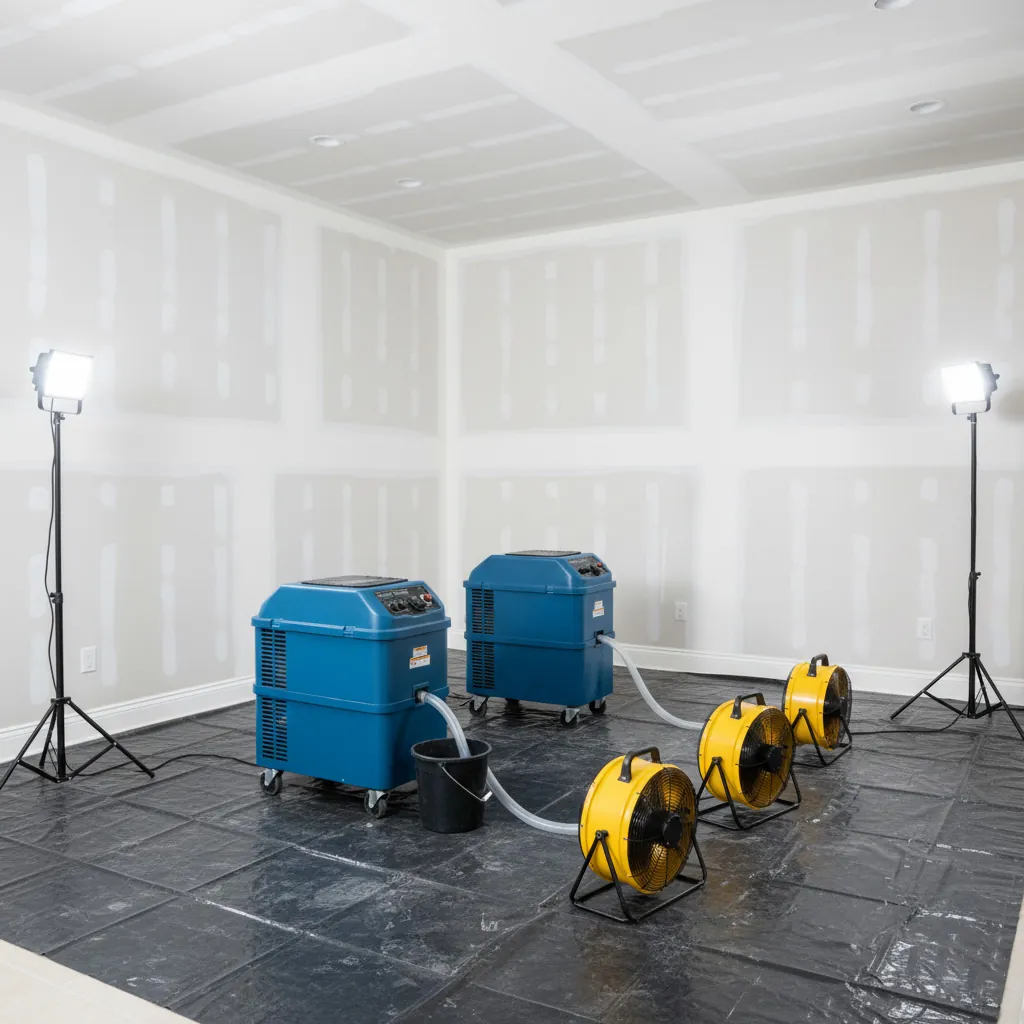
Keep the Cause Visible in the Proposal
A failed supply line, drain backup, surface entry and seepage through a foundation are different observations. Ask who will assess the cause and whether plumbing, drainage or foundation work is excluded. If water continues to enter, equipment days alone will not solve the source. Record source-correction responsibilities before approving finish replacement.
Make Access and Contents Practical
Tell the provider about the stairwell, exterior entrance, stored items and occupied rooms above. Equipment movement, debris removal and temporary contents storage should be discussed rather than assumed. Keep building repairs separate from a belongings inventory. Ask who moves heavy items and whether that work is included in the agreed price.
Keep Separate Work Visible
A calculated water volume does not determine safe pumping speed or certify structural stability.
Budget by the Actual Work.
The combined cleanup-and-drying allowance and finish-material rates answer different questions. Minimum charges, source repairs, access, disposal and specialist work require a written provider scope.
| Scope | Planning range | What to confirm |
|---|---|---|
| Water extraction + drying | $4–$12 / affected sq ft | Combined allowance. Do not add another drying charge. |
| Carpet replacement | $2–$8 / sq ft | Labor + material benchmark; verify removal, disposal and extras. |
| Hardwood replacement | $7–$25 / sq ft | Replacement, not refinishing; subfloor priced separately. |
| Drywall installation | $1.50–$3.50 / surface sq ft | Labor + material allowance; confirm demolition, finish and paint. |
| Plaster work | $2–$10 / surface sq ft | Repair scope varies; identify the existing wall construction. |
Source: HomeGuide water-damage cost guide. These are national reference ranges, not Georgia contractor quotes. Taxes, permits, source repair, specialist work and hidden damage are not assumed included. No local price multiplier is applied.
Questions, Answered
Can the basement volume tool tell me when to start pumping?
No. The volume tool only converts dimensions into approximate gallons. It cannot evaluate pressure outside the walls, structural damage, contamination or electrical hazards. A qualified on-site assessment must determine a safe removal plan.
Does finished-basement cleanup cost more automatically?
The website applies no automatic finished-basement premium. Additional work comes from the actual affected materials, access and separately priced tasks. Ask for quantities and inclusions rather than an unexplained multiplier.
Should the basement be pumped as quickly as possible?
A website cannot make that decision. Outside water pressure, electrical hazards and structural conditions can affect safe removal. Have a qualified provider assess the property before pumping.
Who performs basement water removal after a referral?
An independent provider, if one accepts the job. Water Damage Georgia supplies planning resources and a referral line; it does not perform, supervise or guarantee restoration.
What should I have ready for a basement water removal call?
Have the property ZIP, the observed source, affected rooms and known access or safety concerns ready. State what is unknown. Ask about provider identity, scope, fees and availability before authorizing an appointment.
Talk Through Your Next Step
Have your ZIP, water source and affected rooms ready. Ask about service availability, the provider’s identity and any charges.
Independent referrals; providers set availability, scope and fees.
Published by Bob Carlton · Water Damage Georgia · Content reviewed September 2026. Educational information; no professional certification or insurer review is claimed.