How to Document Water Damage in Georgia
A Georgia water-damage record should connect the property, observed source, affected rooms and work decisions. Use this guide to organize photographs, belongings and repair documents before conversations with a provider or insurer.
Independent referral service. We may receive compensation for qualified referrals. Availability and provider charges vary.
Records for a Georgia Property, Insurer and Utility
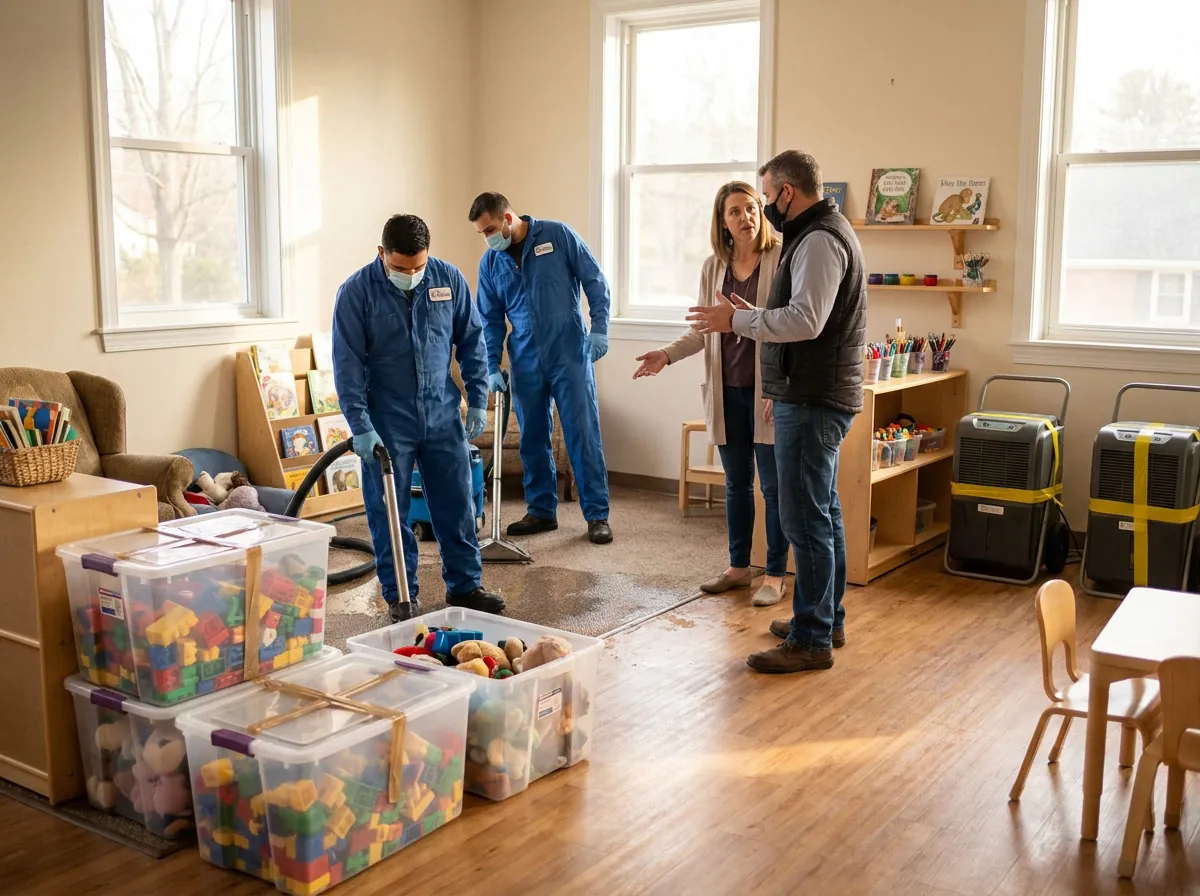
Georgia’s insurance regulator advises consumers after severe weather to document damage, contact their insurance company and keep receipts. Ask the insurer how it wants emergency work, damaged belongings and larger repairs recorded. Keep the original photographs and a separate set of copies for sharing; a website inventory is a working record, not an insurer-approved valuation.
Use the complete property address, postal ZIP and the municipality or county when known. If a utility or local drainage office is contacted, record that report separately from the restoration appointment. For a Georgia rental or office suite, distinguish personal or business contents from building-owner repairs and save the written authorization for entry and work. That separation makes the same record useful to different responsible parties without assuming they have identical policies or obligations.
Organize the Record by Room and Event
Create a folder for the incident and subfolders for each affected room. Keep a timeline with discovery, source shutoff, visits and material-removal dates. Save original photographs as well as any annotated copies. A label such as “kitchen, sink base, before removal” gives context that a close-up alone may lose.
Photograph from Overview to Detail
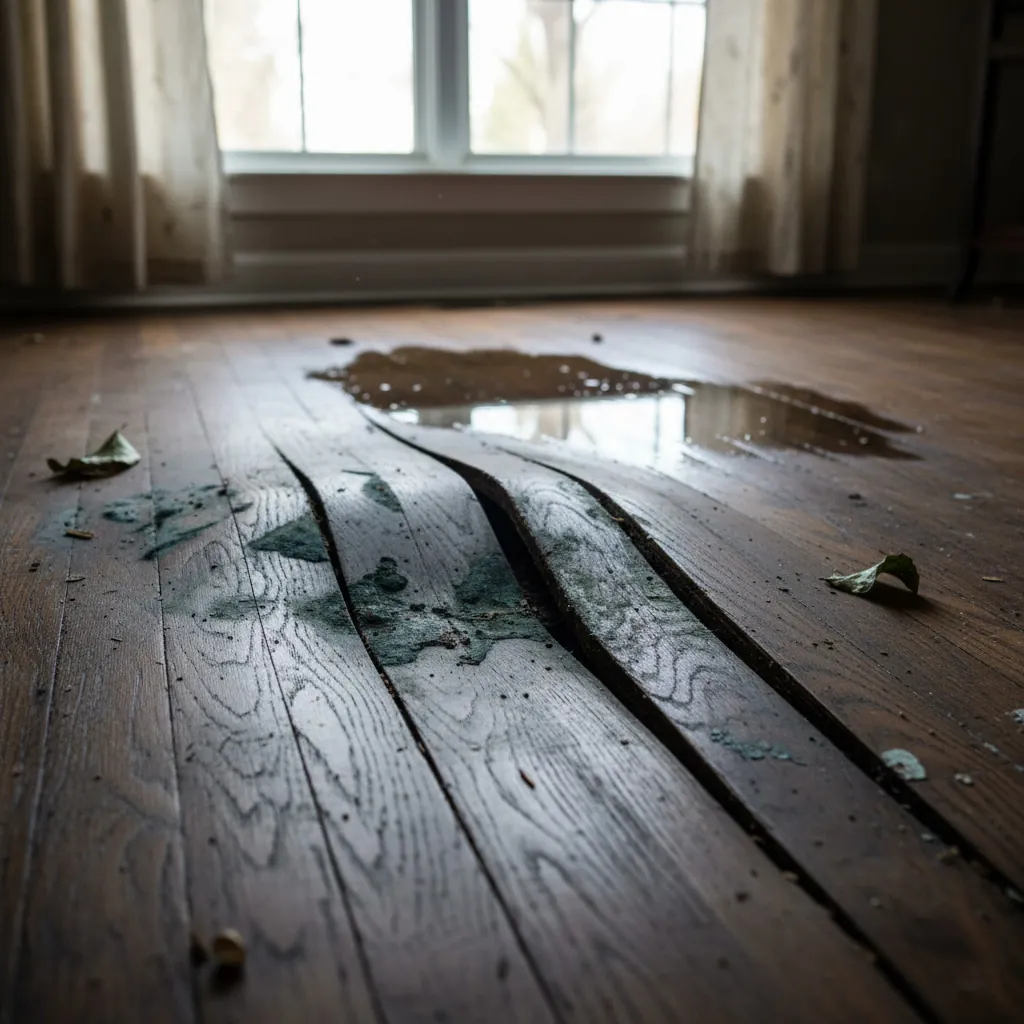
From a safe position, begin with the whole room and visible relationship between damaged areas. Then capture affected wall bases, flooring, ceiling stains and belongings. Include adjacent unaffected areas when useful for orientation. Do not cross floodwater, touch suspect sewage or stand beneath a damaged ceiling to improve a photograph.
Record Observations Separately from Conclusions
“Water seen at the doorway at 7 a.m.” is an observation. “The storm drain caused the loss” is a conclusion that may need assessment. Label the source unknown if needed. Save provider findings and official information separately so the record shows who supplied each conclusion and when.
Build an Item Inventory Without Inventing Values
Use one line per item or meaningful group, with room, description, quantity and your documented replacement amount. Retain receipts, model details or other supporting records where available. Do not use the worksheet total as an approved insurance valuation; depreciation, policy terms and actual reimbursement are separate decisions.
Keep the Scope and Invoices Together
Save the initial proposal, revisions, authorizations, invoices, receipts and drying records. Compare work descriptions across versions and ask about unfamiliar quantities or duplicate allowances. Note who handled source repair and whether it was excluded from cleanup. Keep email and written appointment details with the same incident record.
Export Deliberately and Store Privately
The inventory CSV downloads to your device; the website does not remotely store your loss. Keep a backup in a location you control. Do not send full policies, claim numbers, identity documents or customer records to the general website email. Share only the material needed with the appropriate provider, insurer or adviser.
Keep the Purpose Clear
Connect each record to a room, date and source. Keep observations intact even when a later assessment changes the explanation.
Published by Bob Carlton · Water Damage Georgia · Content reviewed September 2026. Educational information; no professional certification or insurer review is claimed.
Georgia Water Damage Questions
Which photographs should Georgia homeowners keep after water damage?
From a safe position, take room overviews followed by closer views of visible damage and affected belongings. Keep original files and label the room, location and stage of work. Do not enter floodwater, handle suspect sewage or stand under a damaged ceiling for a photograph.
Is a Georgia water-damage inventory an approved insurance value?
No. The inventory adds quantities and replacement amounts you enter. Keep purchase evidence and supporting records, and ask the insurer about valuation, depreciation and policy terms. An exported worksheet does not approve a claim.
What should I save when a restoration scope changes?
Keep the initial proposal, the revised quantities and work descriptions, written approval, invoices and related photographs or material readings. The record should identify what changed, who assessed it and who authorized the additional work.
Talk Through Your Next Step
Have your ZIP, water source and affected rooms ready. Ask about service availability, the provider’s identity and any charges.
Independent referrals; providers set availability, scope and fees.