Structural Drying in Georgia
A room can look dry while moisture remains inside floor and wall assemblies. Drying decisions rely on material measurements and site conditions, not a countdown or an outdoor humidity reading.
Independent referral service. We may receive compensation for qualified referrals. Availability and provider charges vary.
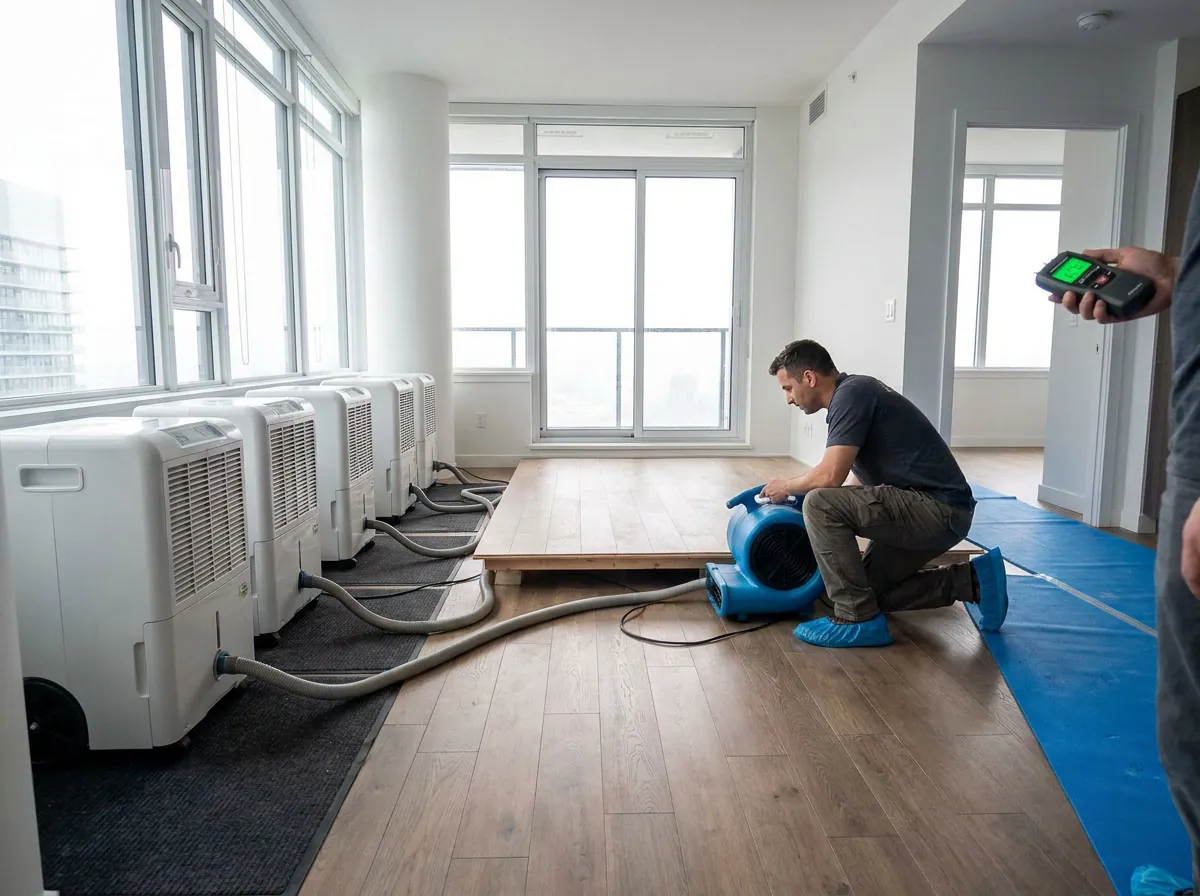
The Completion Decision Should Be Supported by Material Records.
Compare an extraction-only proposal with a combined extraction-and-drying proposal by asking about equipment days, monitoring visits and final records. The site’s combined allowance already includes drying in its stated scope; adding a second full drying total would double count that work.
Ask for a Measurement Plan
An equipment count does not explain which materials are being dried. Ask for the affected areas, measurement locations, material types and intended comparison or target criteria. Measurements should be repeatable enough to show progress at the same locations. Air humidity, surface appearance and readings inside materials answer different questions.
Understand What Equipment Billing Covers
Ask when equipment days begin and end, whether monitoring visits are included, and how removal is scheduled. Clarify whether electricity, rental, transport and technician work are separate. The energy calculator estimates electricity from wattage and time you enter; it neither sizes the setup nor predicts how many days the building will need.
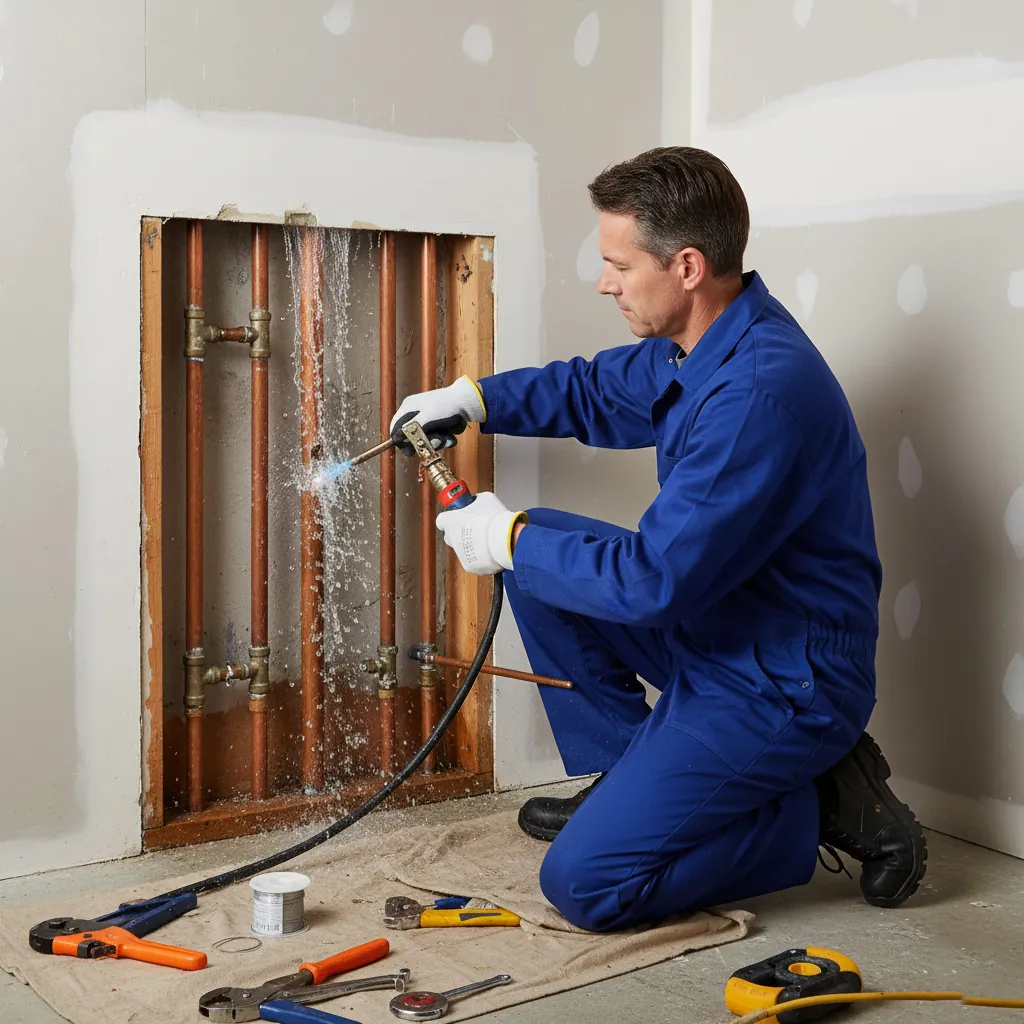
Track Changes in the Same Record
Save the date, room, material, exact location, instrument mode and reading. If equipment changes or a wet cavity is opened, record that event alongside the measurements. A percentage from one instrument or material may not be directly comparable with another scale. Ask the provider to explain unclear labels instead of interpreting a single number as a universal pass/fail result.
Get the Closing Documentation
Before equipment leaves or finishes are reinstalled, ask what supports completion in affected and inaccessible assemblies. Keep final readings, remaining exclusions and any follow-up recommendations. A printed drying planner is your organizing aid; it is not an independently certified drying report and does not replace the provider’s assessment.
Keep Separate Work Visible
The planning tools do not size a professional system or certify drying completion.
Budget by the Actual Work.
The combined cleanup-and-drying allowance and finish-material rates answer different questions. Minimum charges, source repairs, access, disposal and specialist work require a written provider scope.
| Scope | Planning range | What to confirm |
|---|---|---|
| Water extraction + drying | $4–$12 / affected sq ft | Combined allowance. Do not add another drying charge. |
| Carpet replacement | $2–$8 / sq ft | Labor + material benchmark; verify removal, disposal and extras. |
| Hardwood replacement | $7–$25 / sq ft | Replacement, not refinishing; subfloor priced separately. |
| Drywall installation | $1.50–$3.50 / surface sq ft | Labor + material allowance; confirm demolition, finish and paint. |
| Plaster work | $2–$10 / surface sq ft | Repair scope varies; identify the existing wall construction. |
Source: HomeGuide water-damage cost guide. These are national reference ranges, not Georgia contractor quotes. Taxes, permits, source repair, specialist work and hidden damage are not assumed included. No local price multiplier is applied.
Questions, Answered
Can a drying-time calculator prove a building is dry?
No. Our drying planner records the number of days you choose and organizes a measurement log. Completion must be based on appropriate on-site material readings and professional assessment, not elapsed time.
Can low room humidity prove a wall cavity is dry?
No. Air humidity does not measure moisture retained inside wallboard, insulation or framing. Ask for material-specific assessment and measurements at relevant locations.
Can the dehumidifier tool size professional equipment?
No. It divides an entered moisture load by nameplate capacity to explain arithmetic. Actual performance and system design depend on conditions that the tool cannot inspect.
Who performs structural drying after a referral?
An independent provider, if one accepts the job. Water Damage Georgia supplies planning resources and a referral line; it does not perform, supervise or guarantee restoration.
What should I have ready for a structural drying call?
Have the property ZIP, the observed source, affected rooms and known access or safety concerns ready. State what is unknown. Ask about provider identity, scope, fees and availability before authorizing an appointment.
Talk Through Your Next Step
Have your ZIP, water source and affected rooms ready. Ask about service availability, the provider’s identity and any charges.
Independent referrals; providers set availability, scope and fees.
Published by Bob Carlton · Water Damage Georgia · Content reviewed September 2026. Educational information; no professional certification or insurer review is claimed.