City Stormwater Reporting
Snellville’s official FAQ directs stormwater issues in a city right-of-way or easement to Public Works at (770) 985-3524. Sanitary-sewer issues need their own utility reporting route.
Official SourceWater still coming in? Shut off the source only if you can reach it safely, then call to ask about water damage restoration help in Snellville.
Independent referral service. We may receive compensation for qualified referrals. Availability and provider charges vary.
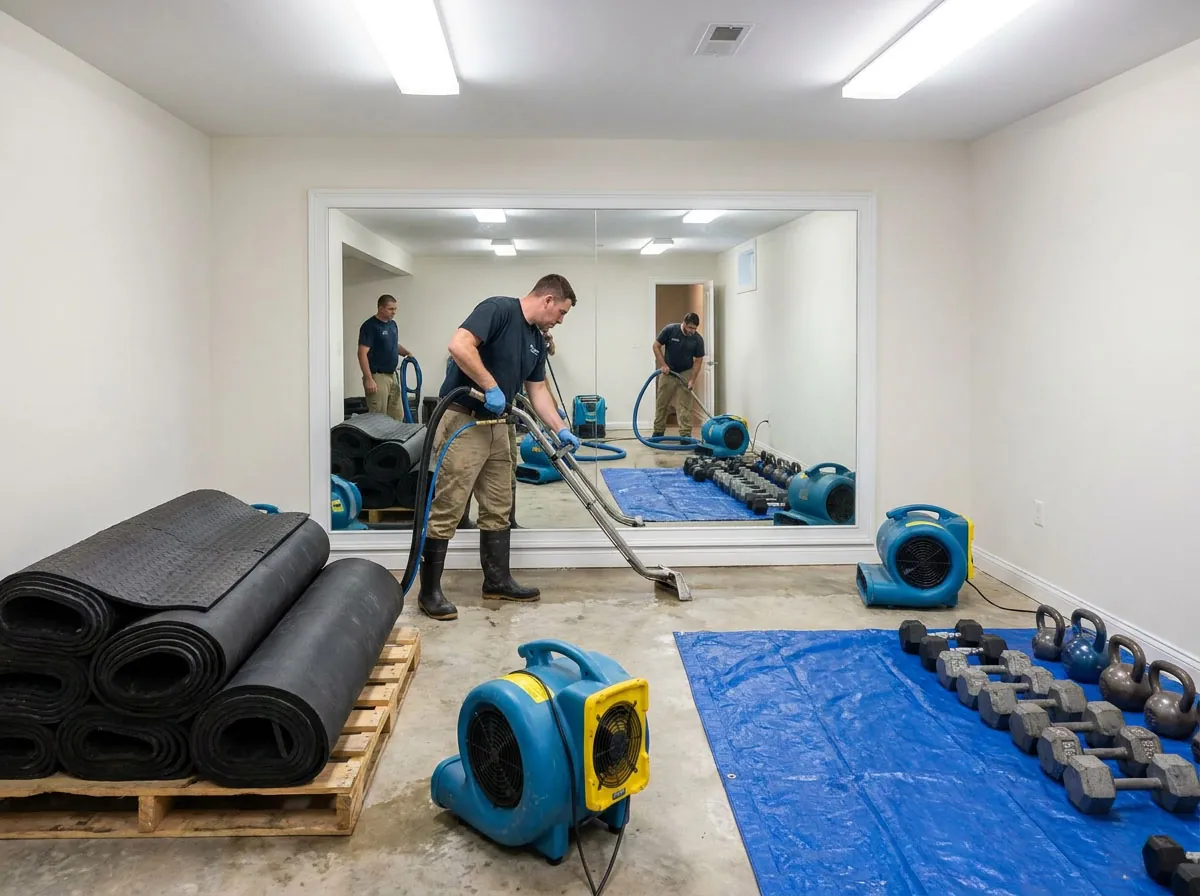
Snellville publishes stormwater and drainage information through Public Works. Use that route to identify public drainage responsibilities; use the utility listed on the account to report a suspected sanitary sewer problem.
Snellville’s official FAQ directs stormwater issues in a city right-of-way or easement to Public Works at (770) 985-3524. Sanitary-sewer issues need their own utility reporting route.
Official SourceSnellville’s permit table lists basement finishing as work requiring a permit. Describe whether the proposed water-damage repair restores an existing finish or changes the layout when asking the Building Department.
Official SourceSnellville lists interior remodeling involving framing, drywall or lighting as permit work, while painting, tiling, flooring and trim remodeling are listed separately as not needing a permit. Have the department assess the actual scope.
Official SourceSnellville distinguishes bathroom fixture repair/replacement from changes requiring piping or wiring alterations. The latter appear in its permit-required category; explain the proposed pipe work before rebuilding.
Official SourceSnellville’s permit table explicitly lists basement finishing, so a restoration proposal that rebuilds or changes a finished lower level needs a clear description for the Building Department. Note whether outside water entered near a doorway or whether a floor fixture overflowed; those observations lead to different source investigations. For a municipal stormwater issue, the city FAQ names the Public Works route. In the private cleanup scope, distinguish wet drywall, insulation, storage and floor finish rather than pricing all surfaces from the basement footprint.
For suspected sewage in Snellville, keep occupants away and describe the actual drain or fixture that overflowed. The city’s stormwater contact is for city drainage; a sanitary-system concern should reach the responsible utility instead. Ask whether the receiving provider accepts contaminated-water work and how disposal of touched porous materials will be documented. If the source repair changes piping, Snellville distinguishes that alteration from simpler fixture replacement in its permit table. Drying records alone are not a sanitation decision.
Choose the scope that fits the observed source and affected materials. Use the full service guide for the detailed assessment questions.
Describe standing water, entry points and adjoining rooms. Ask how the provider checks under cabinets and along walls after visible water is removed.
Separate removal and drying from repairing the source, contents handling and replacement finishes.
Outside-water cleanup should identify debris, touched porous materials and a disposal plan before drying begins. Preserve source observations without deciding the insurance cause from rainfall alone.
Discuss roof, grading or drainage correction as a separate project with the responsible owner or authority.
Use known plans or access descriptions; do not enter a wet crawl space to complete a tool. Ask how insulation, ground cover, framing and the floor above are assessed.
Separate current water removal from encapsulation, permanent pumps and drainage changes.
State whether the leak is active, stopped or unknown, and identify rooms above and below the visible damage. Save the plumbing findings alongside the restoration scope.
Ask who repairs the pipe and which ceiling, cavity or finish work is included in the cleanup agreement.
Request dated, material-specific readings from repeatable locations, including an appropriate dry reference. Ask how equipment changes and inaccessible assemblies are documented.
Elapsed days, outdoor humidity and equipment capacity cannot certify that a building assembly is dry.
Identify the authorized owner or tenant, business-access restrictions and any affected shared systems before work is approved. Confirm the provider accepts the commercial scope.
Keep stock, electronic equipment and tenant improvements distinct; the repair calculator does not value lost revenue or authorize reopening.
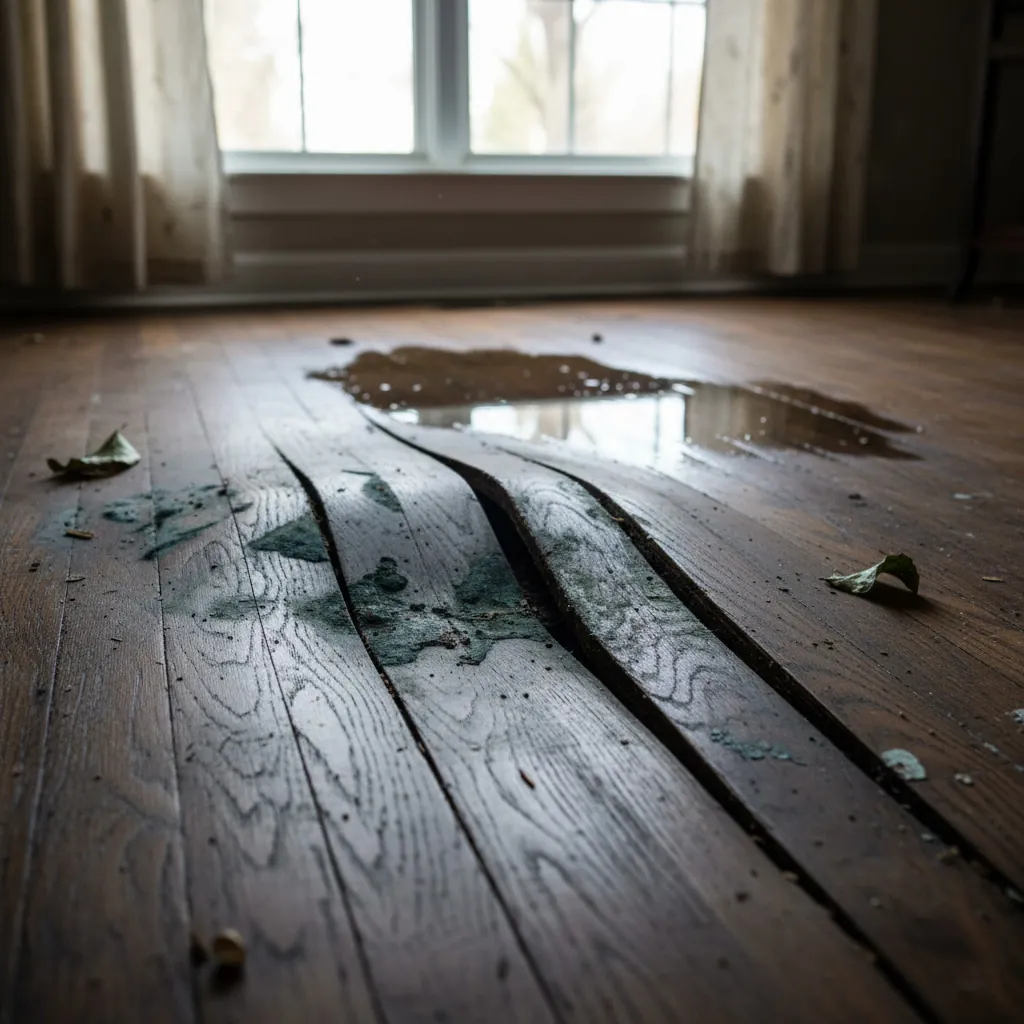
Describe both the location and the observed behavior without deciding that the water is clean. Report a suspected utility issue through the responsible utility’s own channel. Before comparing prices, ask about contaminated porous-material removal and whether the provider can accept the suspected sewage scope.
Water entering a basement during rain and water rising from a drain require different source investigations. If the source is unknown, keep it unknown in the tool. Do not reduce the budget to a clean-water assumption because the water looks clear.
Discuss Snellville AvailabilityPrepare a damage recordEnter affected cleanup area and the actual replacement quantities. The national model separates a bundled extraction/drying allowance from selected repairs; local public resources help identify source and authorization questions.
Snellville listed postal ZIPs: 30039, 30078. National price basis; confirm current service by phone.
National benchmark · factor 1.00 · USD · Model 1.1.0. Selected quantities, not a city or weather multiplier, determine the range.
The map opens automatically as you reach this section. City links and listed ZIPs remain available below.

Snellville has these entries in our September 2026 data update: 30039, 30078. Confirm current availability for the actual address and job type when calling.
The city’s permit table lists basement finishing and interior work involving framing, drywall or lighting among permit-required tasks. It separately lists painting, flooring, tiling and trim remodeling. Describe the complete repair package to the department; a finish-floor line item does not explain concealed framing or electrical changes.
The city FAQ’s Public Works route concerns stormwater in city rights-of-way or easements. An overflowing sanitary fixture needs identification of the responsible utility and source as well. Describe the drain behavior and affected materials, and confirm that the restoration provider accepts suspected contaminated-water work.
The marker identifies a city reference point, and the shaded areas are Census statistical ZIP approximations. For Snellville, parcel jurisdiction and the utility account remain the useful checks before relying on a postal label.
Have your ZIP, water source and affected rooms ready. Ask about service availability, the provider’s identity and any charges.
Independent referrals; providers set availability, scope and fees.
Published by Bob Carlton · Water Damage Georgia · Content reviewed September 2026. Educational information; no professional certification or insurer review is claimed.
