Immediate Water and Sewer Reporting
Lilburn’s Stormwater Management page lists Gwinnett Dispatch at (678) 376-7000 for water-service interruptions, sewer overflows and illicit stormwater discharges.
Official SourceWater still coming in? Shut off the source only if you can reach it safely, then call to ask about water damage restoration help in Lilburn.
Independent referral service. We may receive compensation for qualified referrals. Availability and provider charges vary.
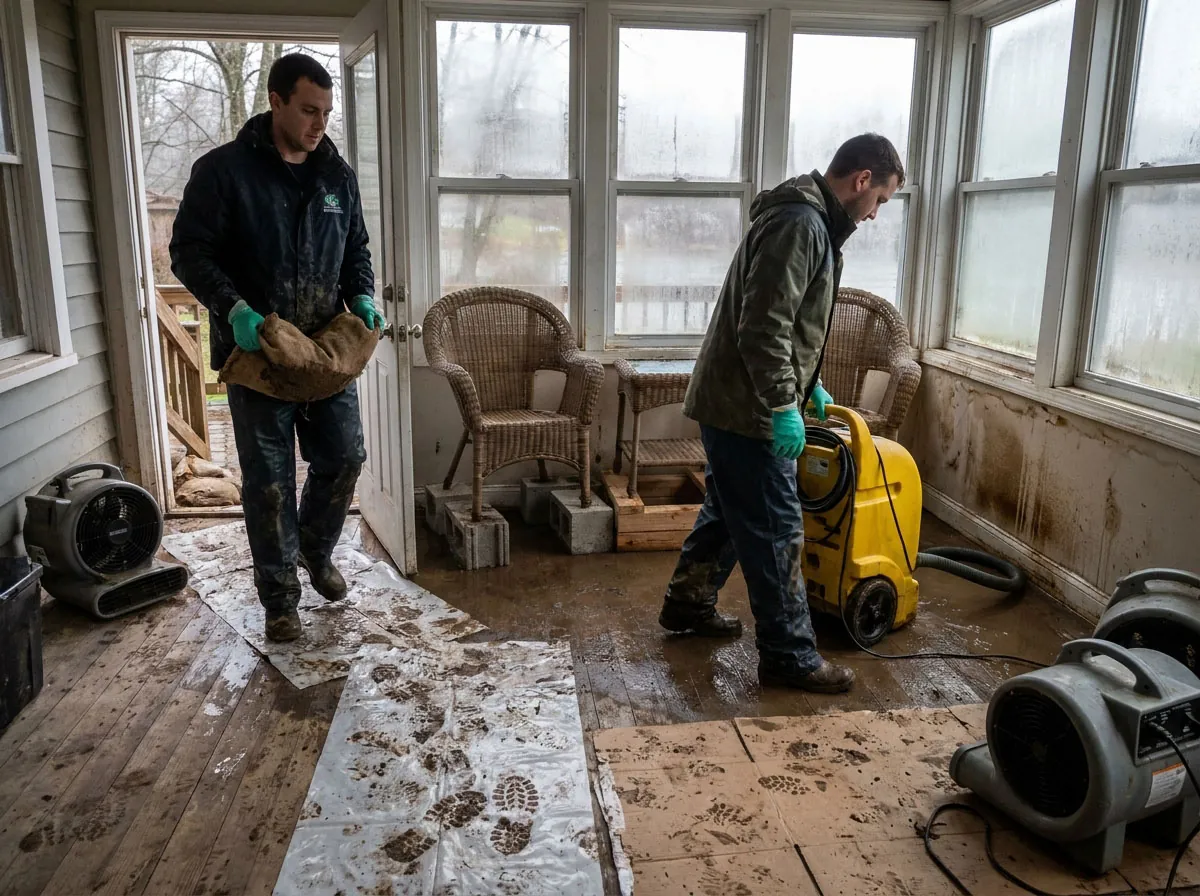
Lilburn’s official guidance directs water interruptions and sewer overflows to Gwinnett’s dispatch route and describes a county agreement for public storm-drain maintenance. Use the official page to report the public-system issue as well as arranging private-property cleanup.
Lilburn’s Stormwater Management page lists Gwinnett Dispatch at (678) 376-7000 for water-service interruptions, sewer overflows and illicit stormwater discharges.
Official SourceLilburn says Gwinnett Water Resources inspects and maintains public storm drainage throughout the city under an intergovernmental agreement. City staff also work on recorded maintenance agreements.
Official SourceLilburn identifies owners as responsible for private drainage easements and stormwater facilities, including detention ponds and green infrastructure. Establish ownership before treating a yard drainage problem as a public repair.
Official SourceLilburn’s Stormwater Division coordinates with planning, code enforcement, Public Works and Gwinnett Water Resources when investigating complaints. Its published manager contact is (770) 638-2197.
Official SourceLilburn’s drainage guidance makes ownership especially useful to establish: county Water Resources maintains public storm drainage under an agreement, while private facilities and drainage easements can remain an owner responsibility. For a basement loss during rain, report the observed location and public blockage separately from the indoor cleanup request. Ask how wall cavities, insulation and finishes will be assessed before permanent work is proposed. A yard-drainage change or detention-facility repair should have its own responsibility and scope discussion.
Lilburn publishes Gwinnett Dispatch as an immediate reporting route for sewer overflows and water-service interruptions. Use the official utility channel when a public issue is suspected, then describe the affected rooms and materials to the independent restoration provider. Confirm acceptance of a suspected sewage job before scheduling. Wet carpet, stored belongings and wall finishes may require different handling; have disposal, cleaning, drying and replacement identified in writing. The city’s private-facility rules should not be confused with who performs or pays for indoor cleanup.
Choose the scope that fits the observed source and affected materials. Use the full service guide for the detailed assessment questions.
Describe standing water, entry points and adjoining rooms. Ask how the provider checks under cabinets and along walls after visible water is removed.
Separate removal and drying from repairing the source, contents handling and replacement finishes.
Describe finished walls, storage, access and any outside water still pressing against the building. A volume calculation cannot choose a safe pumping speed.
Ask how insulation, cavities and floor layers will be assessed before replacement quantities are agreed.
Identify the overflowing fixture or drain and keep people and pets away. Confirm contaminated-water acceptance before arranging an appointment.
Ask about porous-material disposal and sanitation as well as drying; a dry reading alone does not resolve contamination.
State whether the leak is active, stopped or unknown, and identify rooms above and below the visible damage. Save the plumbing findings alongside the restoration scope.
Ask who repairs the pipe and which ceiling, cavity or finish work is included in the cleanup agreement.
Request dated, material-specific readings from repeatable locations, including an appropriate dry reference. Ask how equipment changes and inaccessible assemblies are documented.
Elapsed days, outdoor humidity and equipment capacity cannot certify that a building assembly is dry.
Identify the authorized owner or tenant, business-access restrictions and any affected shared systems before work is approved. Confirm the provider accepts the commercial scope.
Keep stock, electronic equipment and tenant improvements distinct; the repair calculator does not value lost revenue or authorize reopening.
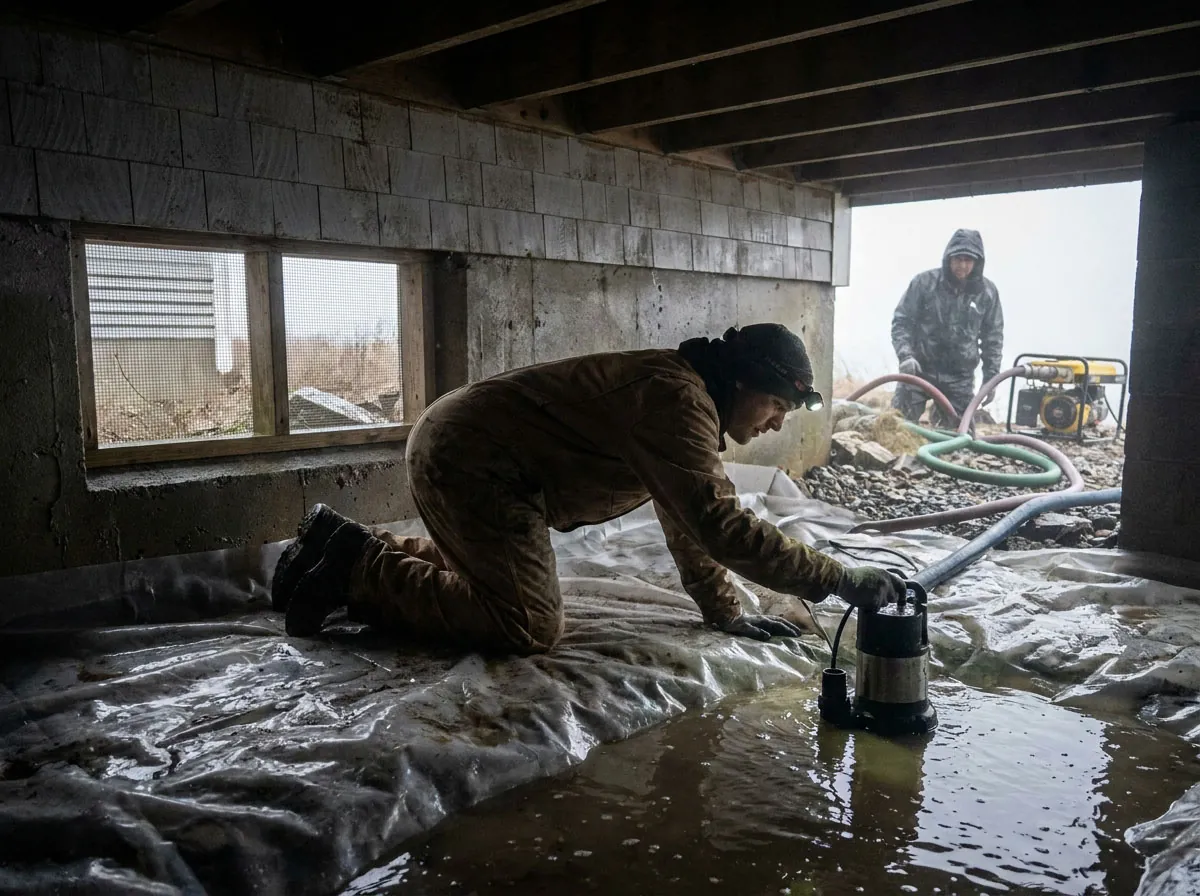
Document the apparent entry point from safety and identify the property’s drainage jurisdiction. Ask how wet framing, insulation and the floor above are assessed together. Drainage correction and immediate cleanup solve different tasks; obtain distinct descriptions rather than accepting one unexplained “waterproofing” total.
If runoff entered a crawl space, ask how the source will be addressed before a new vapor barrier is installed. Removing water and correcting the drainage condition are different scopes; do not assume either includes the other.
Discuss Lilburn AvailabilityPrepare a damage recordEnter affected cleanup area and the actual replacement quantities. The national model separates a bundled extraction/drying allowance from selected repairs; local public resources help identify source and authorization questions.
Lilburn listed postal ZIPs: 30047. National price basis; confirm current service by phone.
National benchmark · factor 1.00 · USD · Model 1.1.0. Selected quantities, not a city or weather multiplier, determine the range.
The map opens automatically as you reach this section. City links and listed ZIPs remain available below.
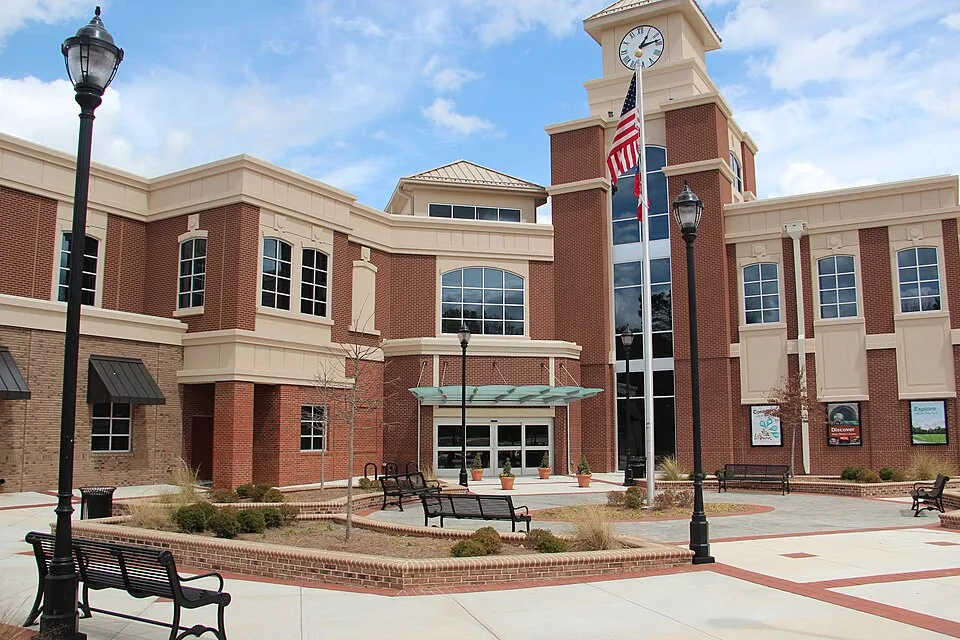
Lilburn has these entries in our September 2026 data update: 30047. Confirm current availability for the actual address and job type when calling.
Lilburn identifies Gwinnett Water Resources as inspecting and maintaining public storm drainage through an intergovernmental agreement. Private drainage easements and facilities can have different owner responsibilities. Establish which structure is involved before agreeing to a repair, and keep public reporting separate from extraction inside the house.
Lilburn’s stormwater page directs water interruptions, sewer overflows and illicit discharges to Gwinnett Dispatch. Give the actual service address or infrastructure location and describe the observation. For indoor work, independently ask about contaminated-material handling, provider acceptance and drying documentation; dispatching a utility concern does not schedule a restoration appointment.
The marker identifies a city reference point, and the shaded areas are Census statistical ZIP approximations. For Lilburn, parcel jurisdiction and the utility account remain the useful checks before relying on a postal label.
Have your ZIP, water source and affected rooms ready. Ask about service availability, the provider’s identity and any charges.
Independent referrals; providers set availability, scope and fees.
Published by Bob Carlton · Water Damage Georgia · Content reviewed September 2026. Educational information; no professional certification or insurer review is claimed.
