Public Works Has a Permit Contact
Austell Public Works publishes [email protected] for departmental permitting correspondence. Its contact directory separates water/sanitary-sewer administration from other Public Works functions.
Official SourceWater still coming in? Shut off the source only if you can reach it safely, then call to ask about water damage restoration help in Austell.
Independent referral service. We may receive compensation for qualified referrals. Availability and provider charges vary.
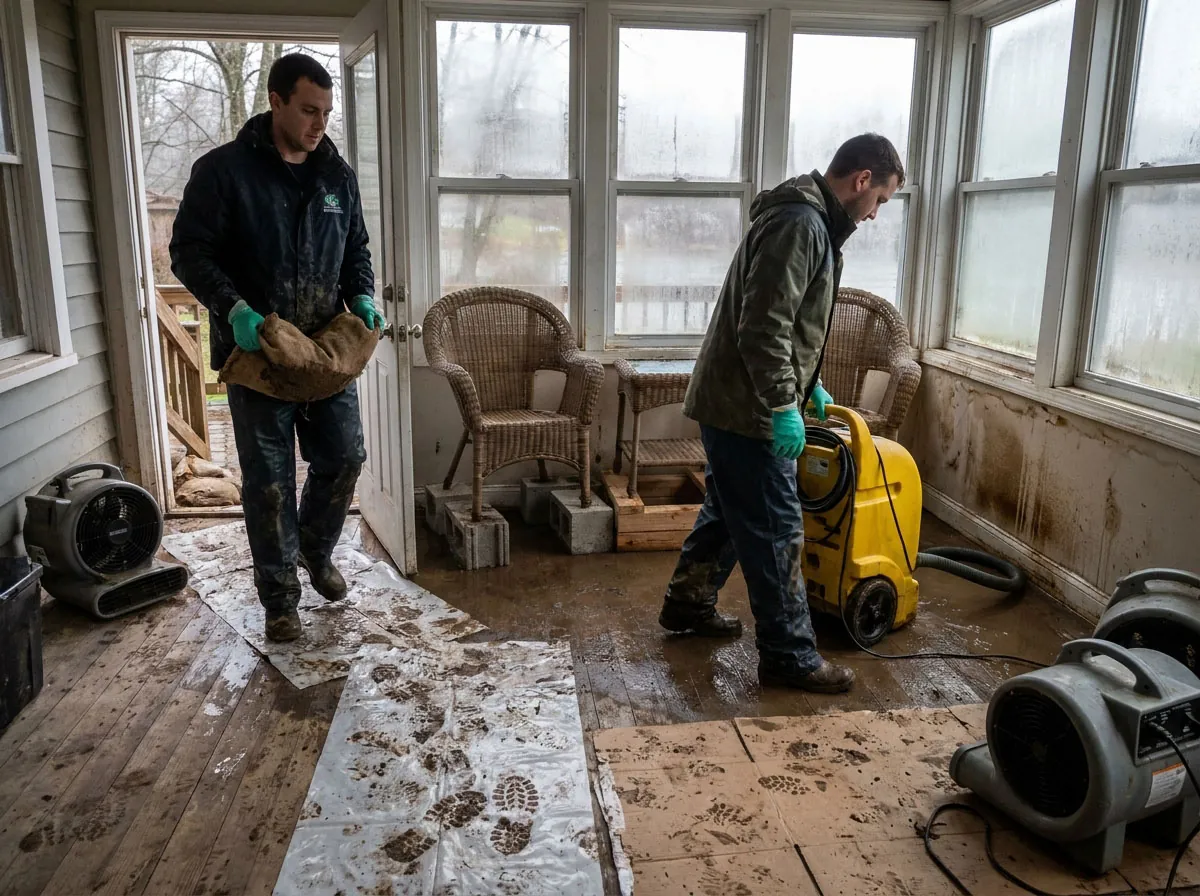
Cobb documents a significant September 2009 flood and ongoing flood mitigation. That county history does not prove an Austell property flooded or establish its present risk. Research the parcel and actual county before making repair or prevention decisions.
Austell Public Works publishes [email protected] for departmental permitting correspondence. Its contact directory separates water/sanitary-sewer administration from other Public Works functions.
Official SourceAustell’s design standards separate water/sanitary sewer, stormwater/floodplain management and erosion control into different sections. Source correction may involve a different design review from interior drying.
Official SourceAustell lists a Floodplain Development Permit Application among its land-development forms. Check that process before proposing permanent work in an affected floodplain.
Official SourceAustell’s permit page lists installation, removal, alteration or replacement of plumbing or drainage pipework in its plumbing-permit scope. Ask about the proposed repair before pipes or walls are concealed again.
Official SourceAustell publishes dedicated floodplain-development and stormwater design resources, so an outside-water loss needs two clearly separated conversations: current cleanup and any proposed permanent site work. Identify the actual parcel jurisdiction before applying city requirements to an Austell postal address. Describe indoor debris, wet porous finishes and building access to the restoration provider, while asking Public Works about the design or permit route for source correction. A broad flood-cleanup price should not quietly include an unreviewed change to a drainage system.
For water below an Austell house, ask how framing and the subfloor above will be checked after pooled water is removed. A proposal to change drainage or utilities may involve the city’s separate stormwater, floodplain or plumbing standards; keep that review distinct from extraction and drying. Use existing descriptions of the crawl-space opening instead of entering it. Identify wet insulation, ground cover and upstairs finish damage independently, and ask which assessment findings support each removal or replacement recommendation.
Choose the scope that fits the observed source and affected materials. Use the full service guide for the detailed assessment questions.
Describe standing water, entry points and adjoining rooms. Ask how the provider checks under cabinets and along walls after visible water is removed.
Separate removal and drying from repairing the source, contents handling and replacement finishes.
Describe finished walls, storage, access and any outside water still pressing against the building. A volume calculation cannot choose a safe pumping speed.
Ask how insulation, cavities and floor layers will be assessed before replacement quantities are agreed.
Identify the overflowing fixture or drain and keep people and pets away. Confirm contaminated-water acceptance before arranging an appointment.
Ask about porous-material disposal and sanitation as well as drying; a dry reading alone does not resolve contamination.
State whether the leak is active, stopped or unknown, and identify rooms above and below the visible damage. Save the plumbing findings alongside the restoration scope.
Ask who repairs the pipe and which ceiling, cavity or finish work is included in the cleanup agreement.
Request dated, material-specific readings from repeatable locations, including an appropriate dry reference. Ask how equipment changes and inaccessible assemblies are documented.
Elapsed days, outdoor humidity and equipment capacity cannot certify that a building assembly is dry.
Identify the authorized owner or tenant, business-access restrictions and any affected shared systems before work is approved. Confirm the provider accepts the commercial scope.
Keep stock, electronic equipment and tenant improvements distinct; the repair calculator does not value lost revenue or authorize reopening.
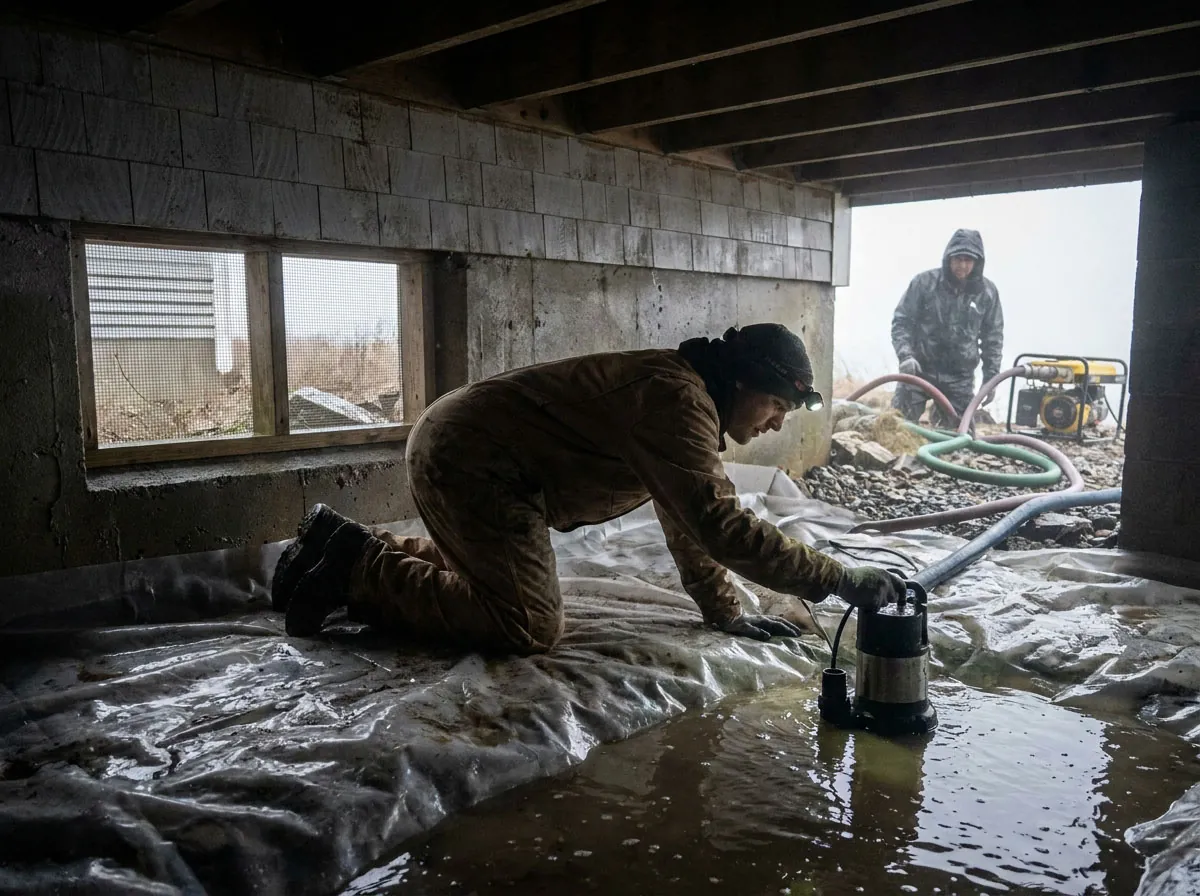
Use official flood information for the actual parcel rather than drawing conclusions from the postal name. Describe accessible observations without entering below the house. Ask how standing water, wet insulation and framing are evaluated, and keep future drainage or flood-prevention improvements outside the immediate cleanup total.
For outside water under a house, separate debris removal from structural drying and future drainage improvements. Ask how concealed framing will be checked; replacing the visible ground cover does not demonstrate dry wood above it.
Discuss Austell AvailabilityPrepare a damage recordEnter affected cleanup area and the actual replacement quantities. The national model separates a bundled extraction/drying allowance from selected repairs; local public resources help identify source and authorization questions.
Austell listed postal ZIPs: 30106, 30168. National price basis; confirm current service by phone.
National benchmark · factor 1.00 · USD · Model 1.1.0. Selected quantities, not a city or weather multiplier, determine the range.
The map opens automatically as you reach this section. City links and listed ZIPs remain available below.
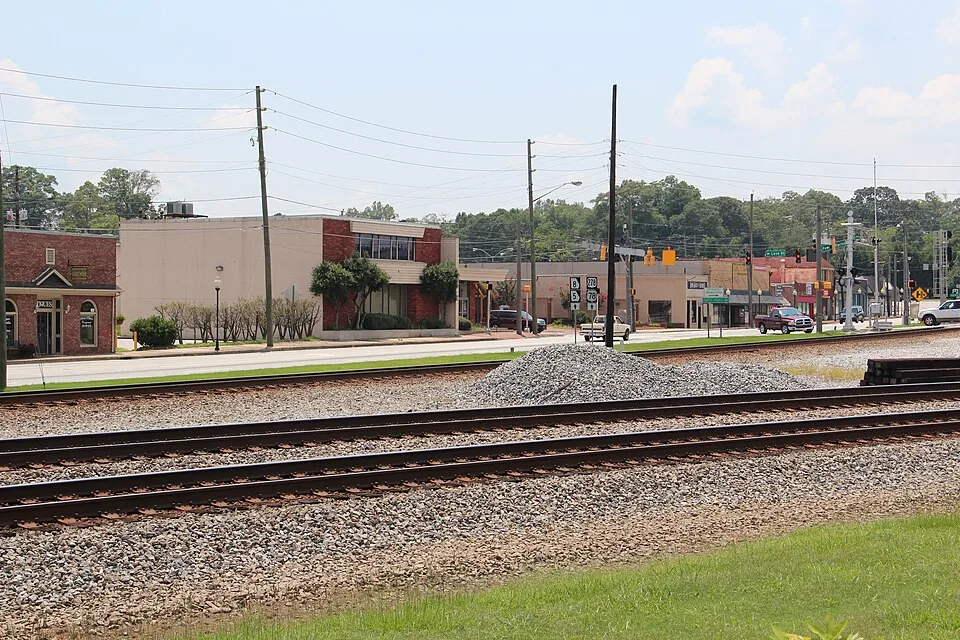
Austell has these entries in our September 2026 data update: 30106, 30168. Confirm current availability for the actual address and job type when calling.
Austell publishes a floodplain-development application within its land-development design resources. Discuss the parcel and permanent proposal with the appropriate Public Works review contact. Indoor cleanup can be described independently of a site alteration, so emergency removal does not become an assumed authorization to redesign drainage.
The city’s design standards distinguish water/sanitary sewer and stormwater/floodplain sections, and its permit page describes plumbing alterations. Identify which source-correction work is proposed before rebuilding. This makes it easier to keep pipe repair, extraction, drying and finish replacement as separate decisions in the written scope.
The marker identifies a city reference point, and the shaded areas are Census statistical ZIP approximations. For Austell, parcel jurisdiction and the utility account remain the useful checks before relying on a postal label.
Have your ZIP, water source and affected rooms ready. Ask about service availability, the provider’s identity and any charges.
Independent referrals; providers set availability, scope and fees.
Published by Bob Carlton · Water Damage Georgia · Content reviewed September 2026. Educational information; no professional certification or insurer review is claimed.
