Understanding Moisture Readings After Water Damage in Georgia
After water damage in Georgia, a room that looks dry can still need material assessment. Learn how to record humidity and moisture measurements without confusing an outdoor forecast, instrument scale or equipment day with proof of completion.
Independent referral service. We may receive compensation for qualified referrals. Availability and provider charges vary.
Georgia Weather Context Is Separate from Indoor Drying Evidence
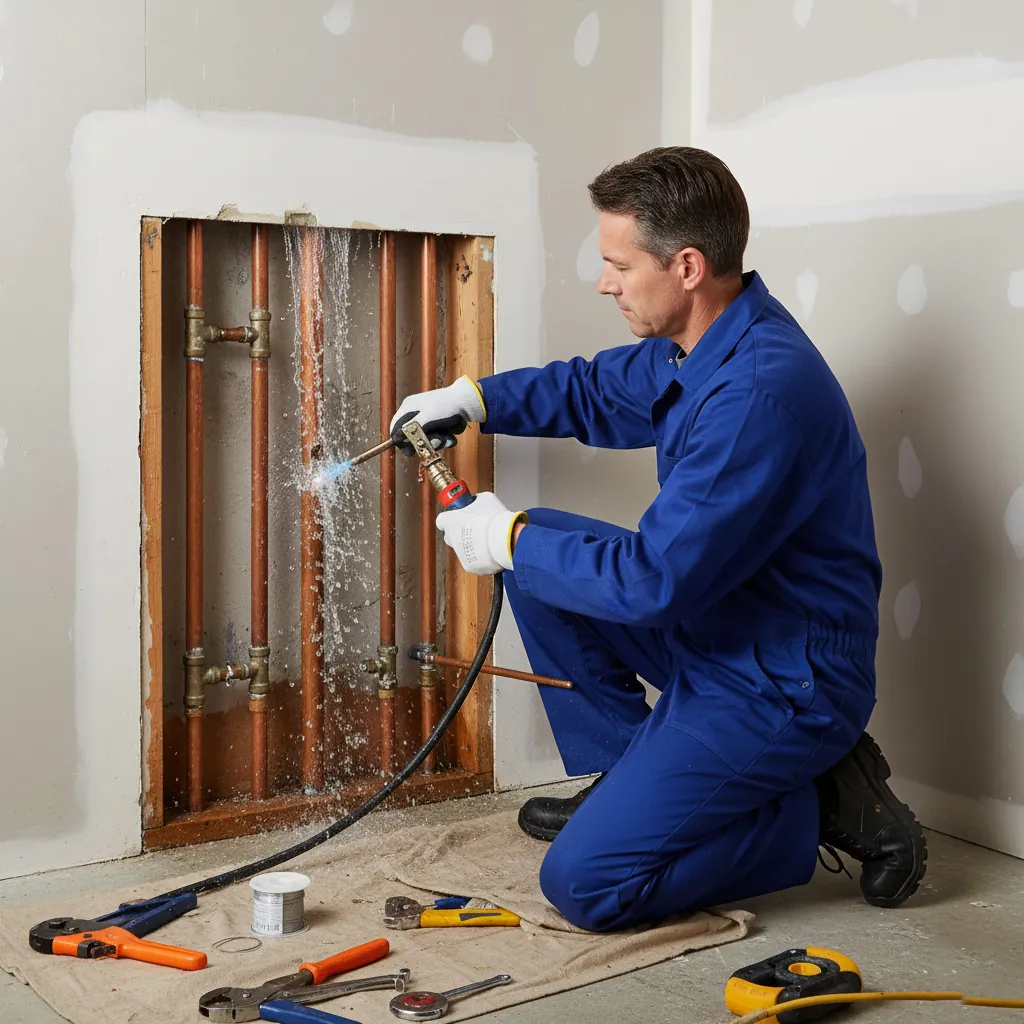
Our Georgia city guides show official NWS alerts and forecast rainfall at a representative city point. Those values describe regional weather; they do not measure a damp wall, insulation or subfloor. Use the local forecast for weather context and retain indoor readings for the actual building. A rain-free period is not a drying certificate, and a forecast does not determine how many equipment days to purchase.
For a finished lower level or an occupied suite in metro Atlanta, ask the provider to identify the affected materials, repeatable measurement locations and any inaccessible assemblies. Record indoor temperature and relative humidity separately from material readings. The same national formulas apply throughout the site: a Georgia city name or postal ZIP does not create a drying-time prediction, professional equipment size or material pass/fail threshold.
Air Humidity Is Different from Material Moisture
Relative humidity describes water vapor in air at a particular temperature. A material instrument evaluates a different condition at the surface or within its measurement range. Low indoor humidity does not prove that a wall cavity, insulation or subfloor is dry. Ask which measurements answer each question in the drying plan.
Keep Instrument Modes and Scales Visible
Record the device, mode, material and scale shown. A number on a comparative scale is not automatically a percentage of water content. Different instruments or materials may not be directly comparable. Ask the provider to explain the scale and the basis for any target instead of assigning a universal “safe” value.
Repeat Readings at Identifiable Locations
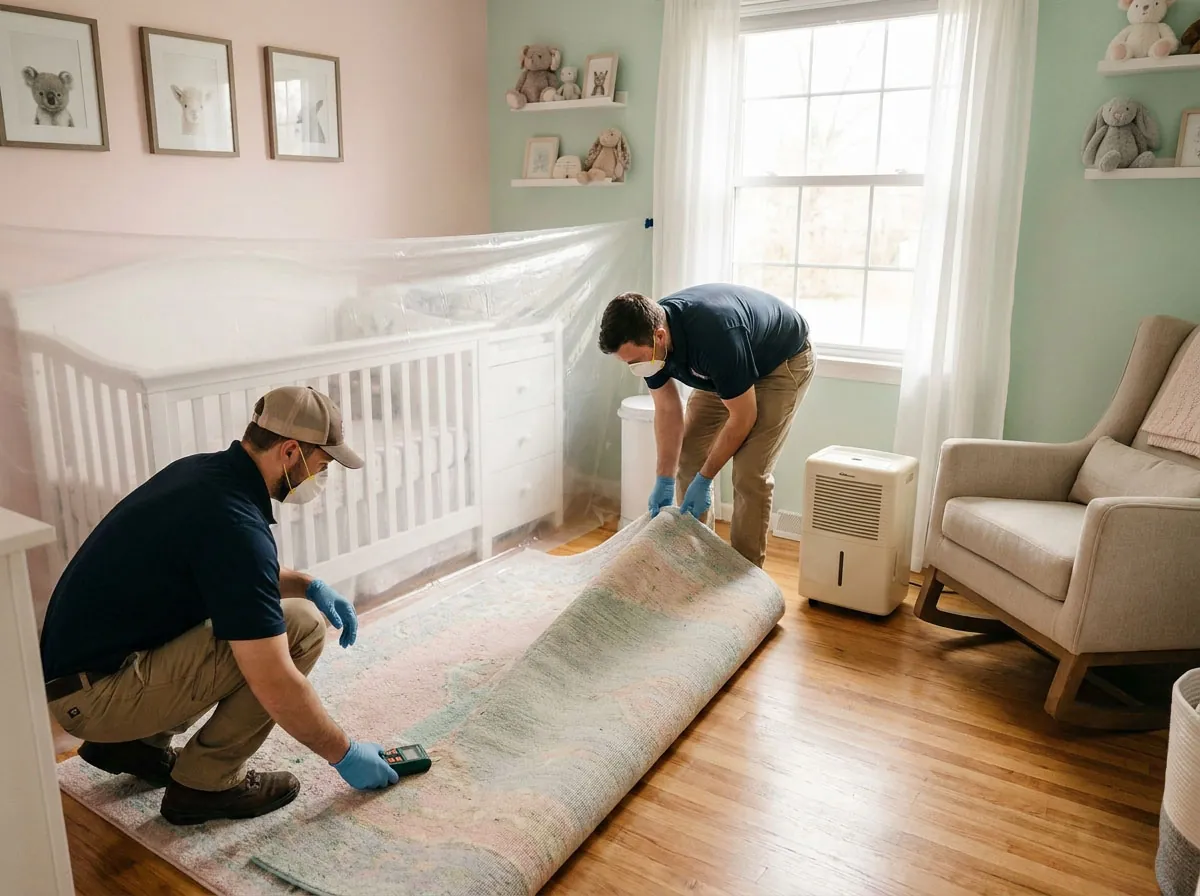
Use a room name and an exact location such as “north wall, beside doorway, lower framing.” Record the date and time. Changes in equipment, opened cavities or ongoing water entry should appear beside the readings. Consistent locations help make trends meaningful; moving to a different material may create a misleading comparison.
Understand the Role of Dew Point
The dew-point calculator uses temperature and relative humidity to estimate when condensation may occur under its stated approximation. It does not identify mold, measure water inside a wall or tell you to ventilate a contaminated area. Outdoor weather is regional context, not a substitute for indoor observations and professional judgment.
Ask About Reference Conditions and Inaccessible Areas
Have the provider explain the comparison basis or material targets used for the actual building. Ask which assemblies could not be inspected and what further assessment is needed. An apparently dry surface can leave a different condition deeper in an assembly; the record should not hide those limits.
Keep the Final Readings Before Closing the Work
Save the provider’s measurements, explanations and any remaining exclusions before wallboard, insulation or flooring covers the area. The drying planner helps organize a log without issuing a pass/fail verdict. Equipment days and nameplate capacity are planning inputs, not proof that drying is complete.
Keep the Purpose Clear
Ask what the reading measures and what it can establish. The explanation matters as much as the number.
Published by Bob Carlton · Water Damage Georgia · Content reviewed September 2026. Educational information; no professional certification or insurer review is claimed.
Georgia Water Damage Questions
Can room humidity prove that water-damaged walls in a Georgia home are dry?
No. Relative humidity describes moisture in air at a temperature. It does not measure retained water inside insulation, framing or floor layers. Ask for material-specific assessment and measurements at relevant locations.
What information belongs beside a moisture reading?
Record the date, room, exact location, material, instrument, mode and scale. Keep the provider’s comparison or target explanation and note equipment changes or continuing water entry. Values from different materials or scales may not be directly comparable.
Can a drying planner certify completion?
No. The planner organizes the schedule and readings you enter. Appropriate on-site assessment and material measurements support the completion decision; elapsed days and equipment nameplate capacity are not proof of dryness.
Talk Through Your Next Step
Have your ZIP, water source and affected rooms ready. Ask about service availability, the provider’s identity and any charges.
Independent referrals; providers set availability, scope and fees.