6 First Steps After Water Damage in Georgia
Water damage in a Georgia home or business can begin with a pipe leak, outside water or a drain backup. These six steps help you address safety, reach the right contacts and prepare for an independent restoration provider.
Independent referral service. We may receive compensation for qualified referrals. Availability and provider charges vary.
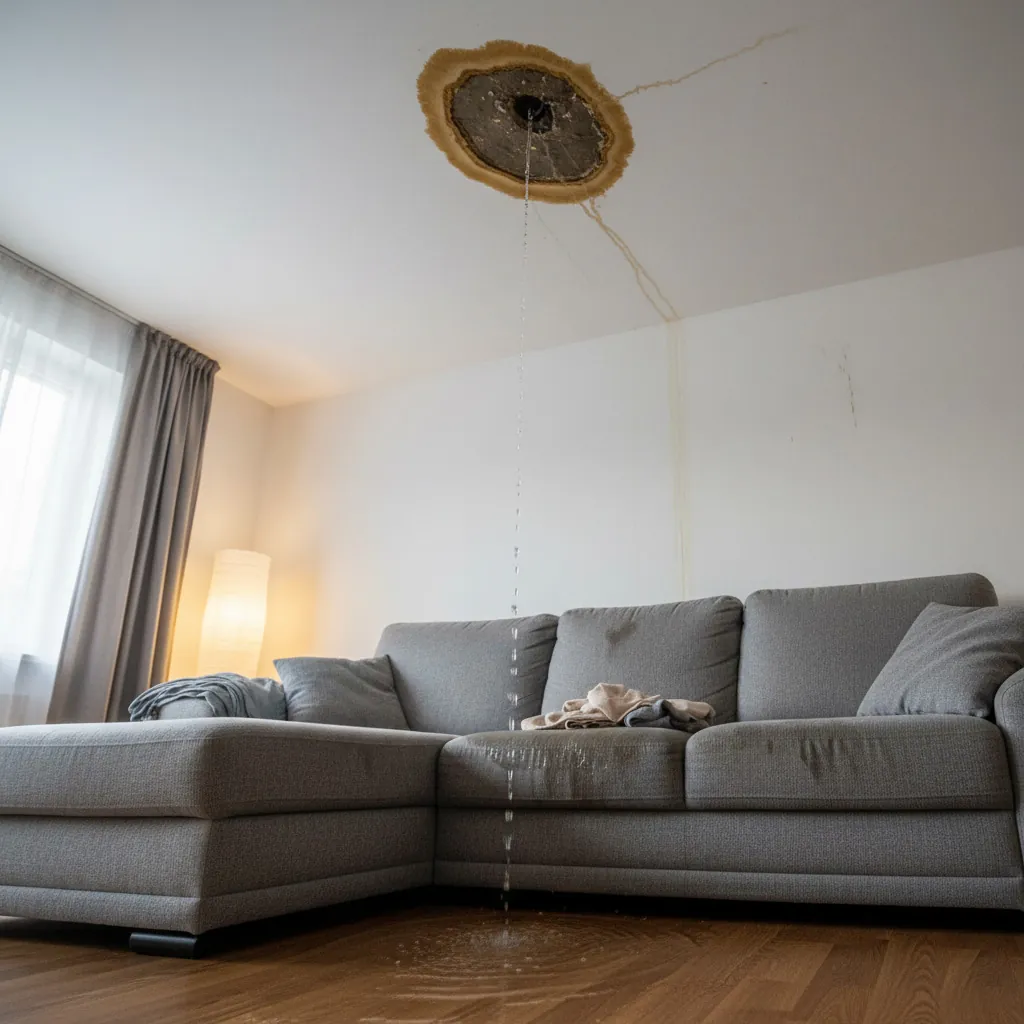
Georgia Emergency Information and the Right Local Contacts
For a storm-related water loss, use Georgia Emergency Management and Homeland Security Agency’s Ready Georgia resources and your local emergency-management agency for official preparedness and incident information. Follow official alerts, evacuation and re-entry instructions. A website referral line cannot issue an all-clear for a Georgia building.
In metro Atlanta, the postal city on an address does not always identify the municipality or utility responsible for the property. Keep the ZIP ready for the restoration call, but use the utility shown on the bill and the actual parcel jurisdiction when reporting a suspected public sewer or drainage problem. In an apartment or shared commercial building, notify management as well; a cleanup appointment does not arrange repairs to shared building systems.
1. Decide Whether It Is Safe to Stay Nearby
Keep people and pets away from standing water, suspect sewage, damaged electrical equipment and unstable ceilings or walls. For immediate danger call 911 and follow official instructions. Never enter water to reach a switch. A referral line is not an emergency service or permission to re-enter a building.
2. Describe the Source You Can Actually Observe
Write “supply line leaking,” “water entering doorway,” “drain backing up” or “source unknown.” Clear water is not a contamination diagnosis. If a known shutoff is safely accessible, note whether the water has been stopped. Do not open a wall, climb under the house or walk into a wet basement just to identify the cause.
3. Make a Short Call Brief
Have the address ZIP, property type, affected rooms, discovery time and known hazards ready. Mention whether the source is active and whether people occupy the building. For a rental or shared building, contact the responsible property manager as well. If a public utility problem is suspected, use the utility’s own reporting route; a restoration call does not file that report.
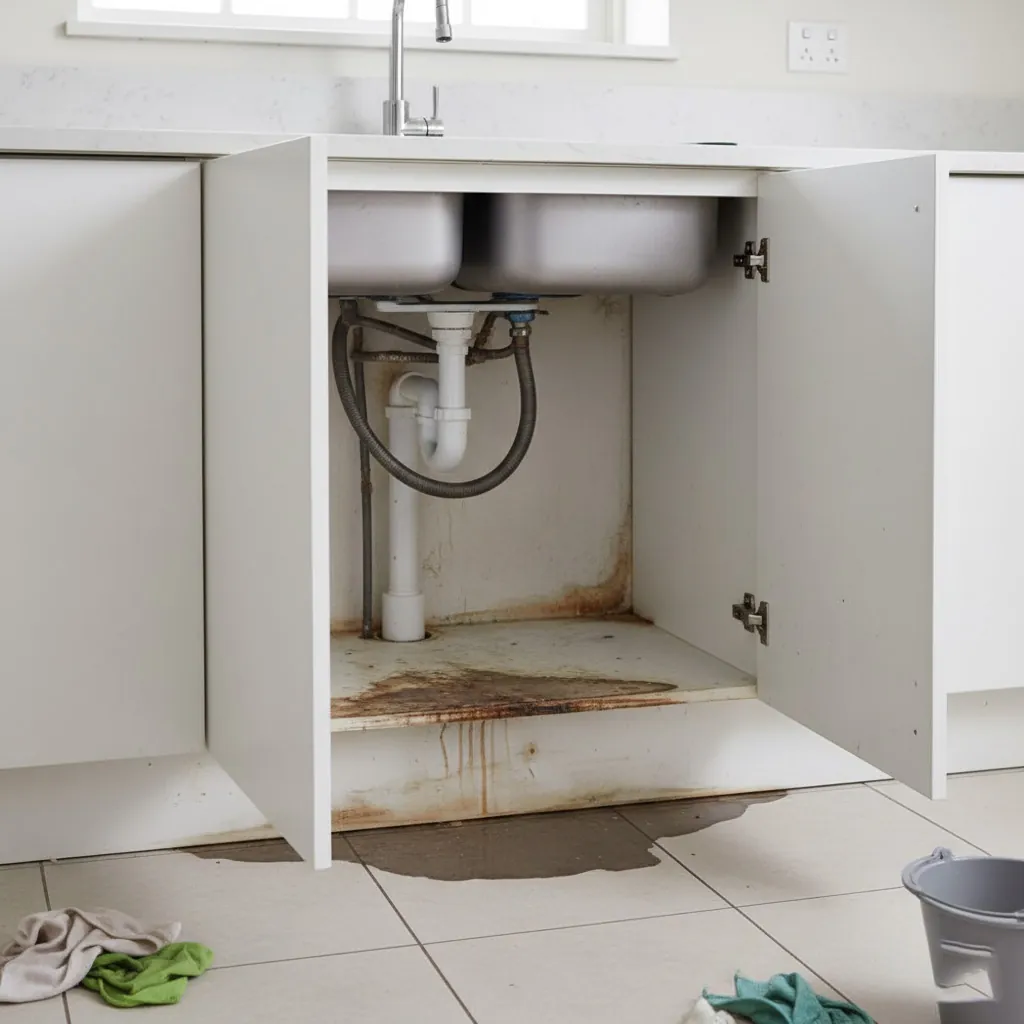
4. Capture Evidence from a Safe Position
Take overview photographs that show the room, then closer views of visible staining or affected belongings where safe. Keep the original files. Start a simple timeline and contents list; do not delay safety decisions to create perfect records. Follow insurer instructions about handling damaged property and avoid unnecessary exposure to contaminated items.
5. Confirm the Appointment and Charges
Ask for the receiving provider’s name, whether the job is accepted, availability for the actual address, any inspection or estimate charge and who will handle source repair. Providers set their own availability and may charge for inspections or estimates. Ask how work authorization and additional charges are handled before committing.
6. Use Tools for the Next Decision
Once safe observations are available, the repair calculator helps separate cleanup from selected replacement materials. The inventory organizes belongings, and the drying planner records observations over time. None of these tools inspect the building or decide whether entry, pumping or occupancy is safe.
Keep the Purpose Clear
A useful call is brief and accurate. Unknown details can remain unknown; they should not become guesses made to obtain a lower estimate.
Published by Bob Carlton · Water Damage Georgia · Content reviewed September 2026. Educational information; no professional certification or insurer review is claimed.
Georgia Water Damage Questions
What should I have ready when calling about water damage in Georgia?
Have the property ZIP, building type, affected rooms, discovery time and known access or safety concerns ready. Describe the observed source and whether it is stopped, active or unknown. Ask for the receiving provider’s identity, job acceptance, availability and any inspection or estimate fees.
Should I finish a water-damage calculator before asking for help?
No. Address immediate safety and use known observations for the first call. A calculator is a later planning aid; it cannot decide whether entry, pumping or occupancy is safe.
Does a restoration referral report a public sewer or drainage problem?
No. A referral call concerns provider availability. Report suspected public-system problems through the responsible utility or government’s official route, using the property’s actual jurisdiction and utility account.
Talk Through Your Next Step
Have your ZIP, water source and affected rooms ready. Ask about service availability, the provider’s identity and any charges.
Independent referrals; providers set availability, scope and fees.