Choosing a Water Damage Restoration Provider in Georgia
Choosing water-damage restoration help in Georgia means comparing the work behind the price. Confirm the provider’s identity, the trades involved, job acceptance and written terms before authorizing an appointment or repair.
Independent referral service. We may receive compensation for qualified referrals. Availability and provider charges vary.
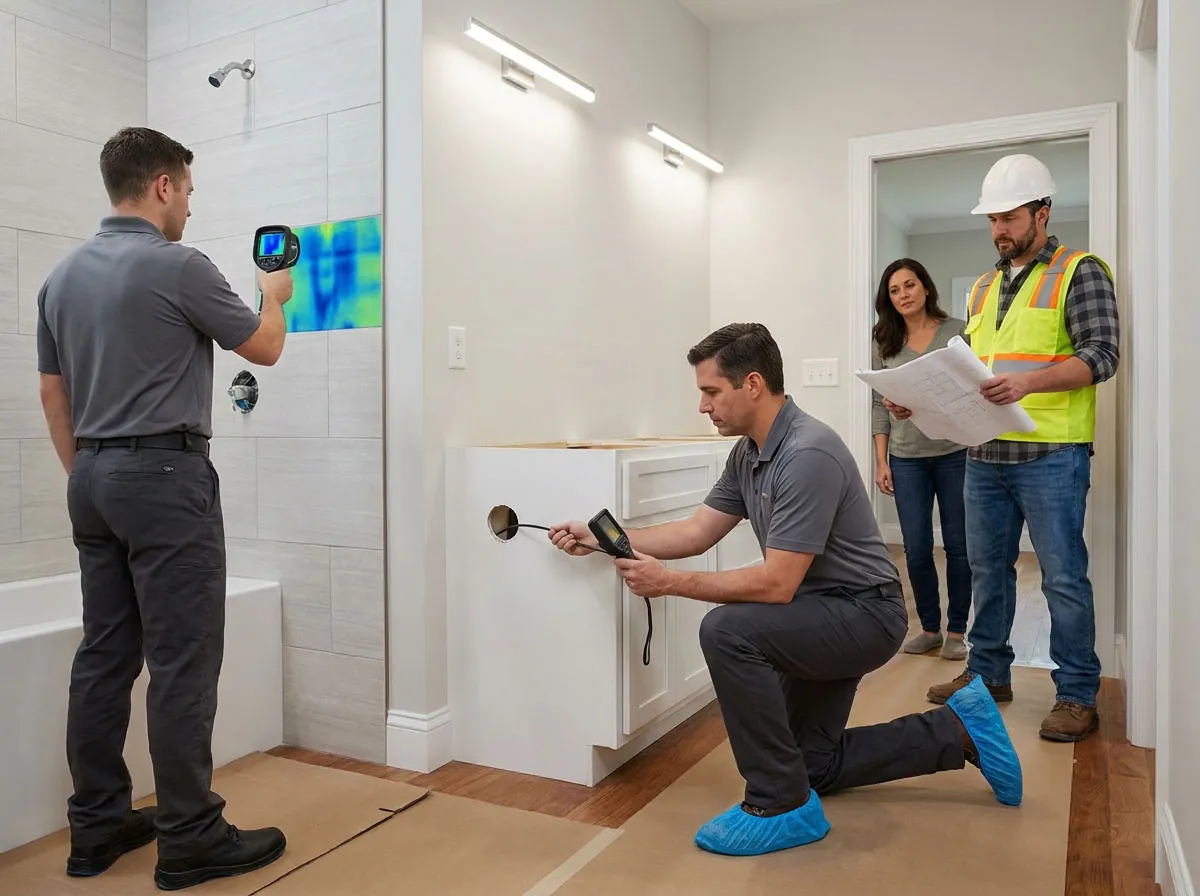
Check the Georgia Credentials Relevant to the Actual Work
Use the Georgia Secretary of State’s official professional-license verification resources for licenses issued by its licensing boards. Ask which person or business will perform each regulated trade and verify the credential appropriate to that scope. A cleanup referral, company name or general statement of experience does not answer every licensing question for plumbing, electrical or reconstruction work.
A Georgia mailing address and a referral phone number also do not establish a contractor office or guarantee service for your property. Give the receiving provider the actual ZIP, building type and access requirements, and ask whether it accepts the job. When comparing proposals for a basement, crawl space or occupied suite, compare the same affected quantities, equipment terms and exclusions. Separate source repair and specialist contents recovery instead of assuming that one “restoration” total includes every trade.
Confirm Who Answered and Who Will Arrive
Ask for the provider’s business name, contact details and the party that will perform each trade. Verify necessary licensing and insurance for the actual work. A referral service is a route to a provider, not a guarantee of credentials, workmanship or acceptance. Do not infer a Georgia office from the referral number’s area code.
Explain the Loss Without Underselling Uncertainty
Describe the observed source, affected rooms, discovery time, access concerns and any suspect contamination. Ask whether the provider accepts the job type. If the source is unknown, keep it unknown. A low price based on a different source or incomplete affected area is not a useful comparison.
Compare Quantities and Inclusions
Check whether proposals cover the same floor area, wall surface and material types. Ask if extraction and drying are combined, how equipment days are charged and whether monitoring is included. Identify demolition, debris disposal, contents movement and rebuilding separately. One bundled total can hide work that another quote excludes.
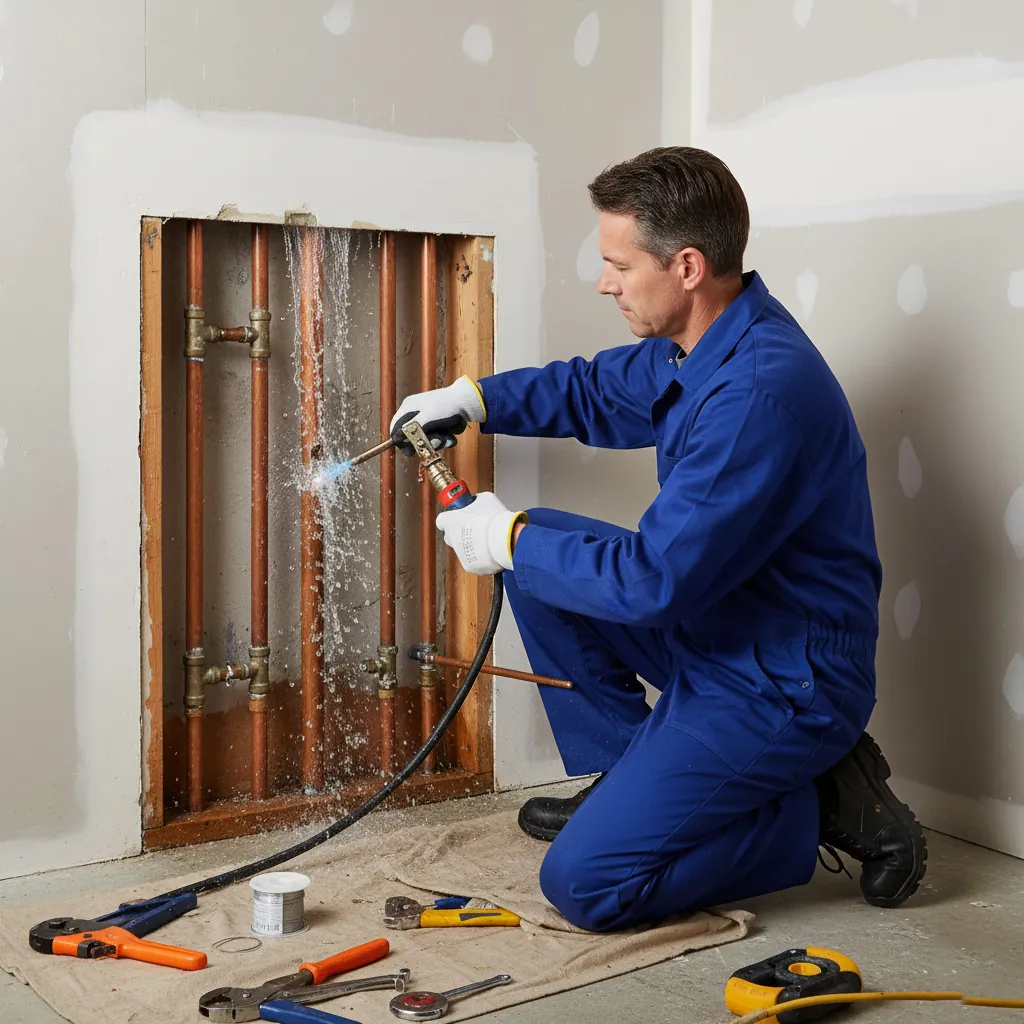
Ask How Hidden Damage Changes the Agreement
An initial assessment may leave inaccessible areas or uncertain quantities. Ask how discoveries are documented, how revisions are priced and who approves additional work. Keep revised scopes in writing. Do not assume a broad phrase such as “complete restoration” includes plumbing, drainage, finish matching and every specialist task.
Establish What Completion Means
Ask what material measurements and records support the end of drying, and who handles reconstruction afterward. Discuss any remaining exclusions and follow-up work. Final payment and contractual questions depend on the agreement; this website does not set provider terms or supervise the project.
Use the Website Budget to Ask, Not to Demand
Published national ranges can reveal missing scope items or possible double counting. They do not set a provider’s minimum charge or prove that a bid is unfair. Compare a written proposal against its inclusions and actual quantities, then ask the provider to explain meaningful differences.
Keep the Purpose Clear
Two proposals are comparable only when they describe substantially the same work, quantities and exclusions.
Published by Bob Carlton · Water Damage Georgia · Content reviewed September 2026. Educational information; no professional certification or insurer review is claimed.
Georgia Water Damage Questions
How should I compare water-damage restoration proposals in Georgia?
Compare the affected quantities, materials and inclusions before totals. Establish whether extraction and drying are combined, how equipment days and monitoring are billed, and what source repair, disposal, contents handling and reconstruction exclude. Ask how additional work is approved.
Does the referral service verify or guarantee every provider?
Water Damage Georgia does not claim to independently vet every provider or guarantee its work. Confirm the business identity, necessary licensing and insurance for the actual work, job acceptance and contract terms with the receiving provider.
What drying records should I ask a Georgia restoration provider to supply?
Ask for the relevant materials and measurement locations, the instrument or scale context, the basis for completion and any inaccessible-area exclusions. Keep final readings before reconstruction conceals affected assemblies.
Talk Through Your Next Step
Have your ZIP, water source and affected rooms ready. Ask about service availability, the provider’s identity and any charges.
Independent referrals; providers set availability, scope and fees.